Exporting industrial machinery requires proper planning, documentation, compliance, and logistics coordination. The global demand for…
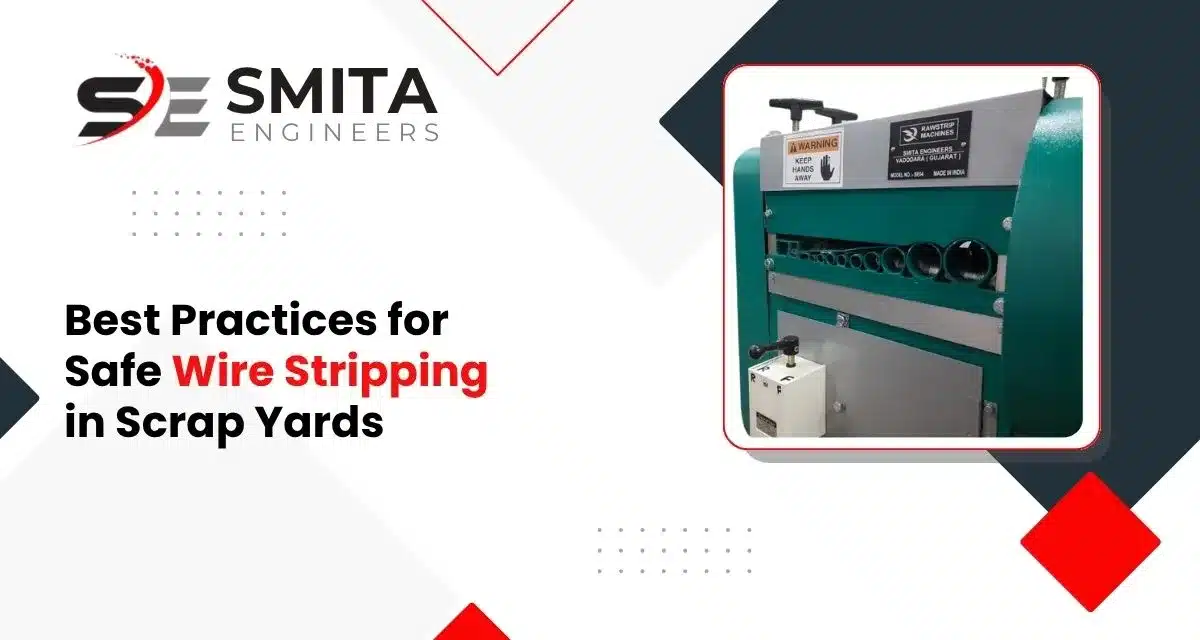
Ensuring safety in scrap yards is just as important as maximizing productivity. When dealing with wire stripping machines, bulk cable recycling, and industrial wire processing, safety doesn’t just protect your team—it preserves equipment, prevents downtime, and ensures regulatory compliance. Below are the best practices every scrap yard should follow to perform safe wire stripping and efficient metal recovery.
Why Safe Wire Stripping Matters in Scrap Yards?
Scrap yards that ignore safety risk equipment damage, worker injuries, and regulatory fines. Handling large volumes of wire—even with advanced machines—brings hazards. Using a proper wire stripping machine for scrap yards, wearing the right personal protective equipment (PPE), and following standard operating procedures make all the difference.
Use the Right Wire Stripping Equipment
Choosing the correct equipment is the first step in reliable operations. Whether you use a manual stripper or an automatic wire stripping machine, ensure it matches the wire type, insulation, and volume you process. Using the wrong cable stripping machine can lead to jams, operator fatigue, or serious accidents.
Key checks:
- Cable diameter compatibility
- Machine feed speed and capacity
- Safety guards and emergency stop features
Prepare the Work Area and Materials
Material preparation reduces risk and increases efficiency. Before stripping, sort cables for size and condition. Avoid mixing worn, corroded wires with clean ones—this not only affects scrap value but increases the risk of machine jams and blade damage.
Checklist for preparation:
- Remove excessive moisture or debris from cables
- Clear away insulation residues and contaminants
- Ensure the work area is clean, well‐lit, and free of trip hazards
Always Wear PPE and Follow Safety Procedures
In scrap yard operations, sharp blades, high‐speed machines, and heavy cables create multiple hazards. Use the correct PPE—such as safety glasses, cut‐resistant gloves, and protective footwear. Never bypass machine guards or override safety features.
Best practices:
- Lock out power before maintenance or blade changes
- Ensure loose clothing, jewelry, or long hair are secured
- Clearly mark and separate active equipment zones
Maintain Machines for Safe Operation
Proper maintenance isn’t just about performance—it’s about safety. A neglected industrial wire stripping machine poses a larger risk of malfunction or operator injury.
Daily and weekly tasks:
- Inspect and clean blades and rollers
- Lubricate moving parts per manufacturer instructions
- Test emergency stops, blade guards, and machine controls
Keep a log of maintenance activities and machine hours
Ready to upgrade your scrap yard safety and efficiency? Contact us today for high‐performance, safety-optimized wire stripping machine solutions and expert guidance.
Train Operators Thoroughly
Even the best equipment fails without skilled operators. Make training on proper wire stripping machine use, hazard recognition, and emergency procedures mandatory for all personnel—especially in high‐volume scrap yards processing bulk cables.
Training should include:
- Correct machine setup for wire size and insulation type
- Recognizing early signs of machine wear or blade dullness
- Safe material handling and cable feed techniques
Sort and Feed Cables Correctly
Incorrect cable feed or mixing incompatible wire types can cause jams, blade damage, or operator hazards. Many scrap yards underestimate the importance of sorting and proper feed.
Pro tips:
- Feed cables according to size and gauge
- Avoid tangled cables or wires with attachments like clips or connectors
- Pre‐strip small gauge wires or use appropriate machine settings
Prevent Fire, Electric & Environmental Hazards
Stripping wires in scrap yards often involves live cables, insulation that can ignite, and debris that may cause electrical hazards. Avoid unsafe practices like wire burning which leads to toxic fumes and regulatory issues.
Safety measures:
- Ensure power is disconnected before machine use
- Keep fire extinguishers nearby and maintain clear evacuation paths
- Dispose of insulation and dust properly per local regulation
Monitor and Improve Safety Continuously
A reactive approach to safety leads to incidents and production losses. Proactive monitoring and continuous improvement elevate safety culture in scrap yards. Use feedback from operators, track near‐misses, and update procedures regularly.
Metrics to monitor:
- Machine downtime caused by safety incidents
- Number of operator injuries and near‐miss reports
- Frequency of maintenance related to safety controls
Frequently Asked Questions
What are the best safety practices for wire stripping in scrap yards?
The best safety practices include using a high-quality wire stripping machine, wearing PPE (personal protective equipment), sorting cables by size, maintaining machines regularly, and training operators on proper handling. These steps minimize accidents and improve efficiency.
Why is safety important during wire stripping operations?
Safety prevents injuries, equipment damage, and costly downtime. Following safe wire stripping procedures ensures consistent performance, compliance with regulations, and extended machine life.
How do I maintain my wire stripping machine for safe use?
Clean the machine daily, lubricate moving parts, inspect blades and rollers, and test emergency stop buttons regularly. Proper wire stripping machine maintenance keeps operations safe and efficient.
What PPE should operators wear when stripping wires?
Operators should wear cut-resistant gloves, safety goggles, and steel-toe boots. Avoid loose clothing or jewelry that could get caught in moving parts of the wire stripping machine.
How can I reduce fire or electrical hazards during wire stripping?
Always disconnect power before machine maintenance, keep fire extinguishers nearby, and never burn wires for insulation removal. Use only approved wire stripping machines to prevent electrical hazards and toxic emissions.
Conclusion
Implementing best practices for safe wire stripping in scrap yards not only protects your workforce but also boosts productivity, extends equipment life, and enhances profitability. From choosing the right machine to maintaining it and training your team—each step matters. A well‐run scrap yard doesn’t just operate efficiently—it operates safely.
Related Posts