Exporting industrial machinery requires proper planning, documentation, compliance, and logistics coordination. The global demand for…
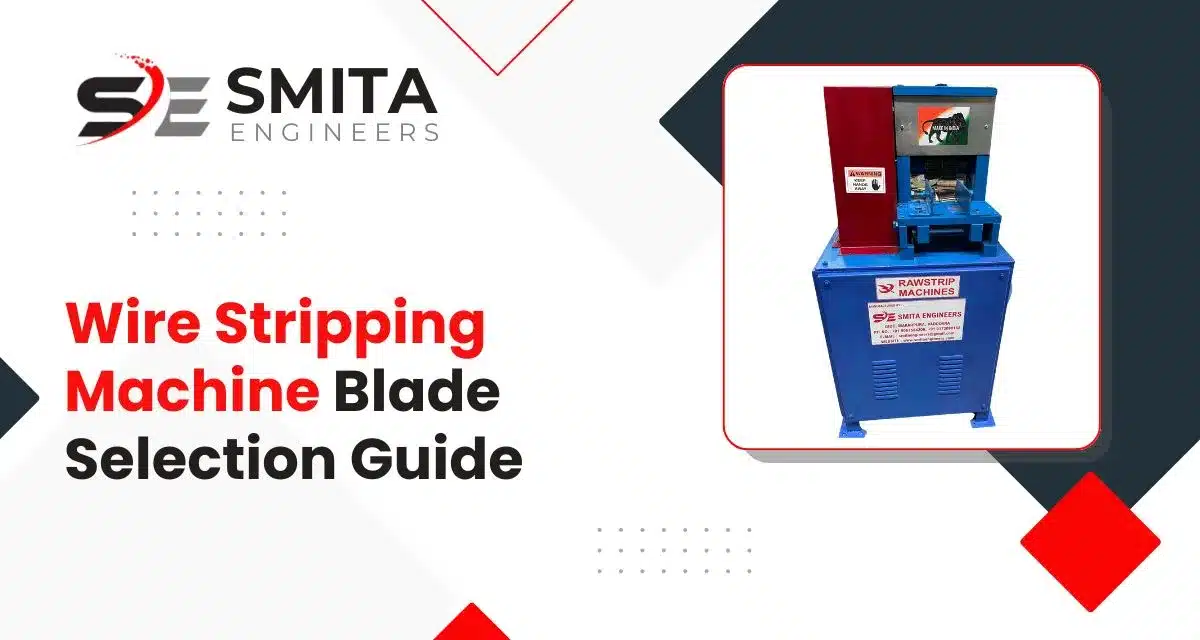
Selecting the right blade for a wire stripping machine is one of the most critical choices when aiming for clean insulation removal, high-quality output, and long equipment life. Whether used for electrical wiring, cable harnessing, or industrial production, the blade directly determines how efficiently a wire stripping machine performs. This guide explains how to choose the proper stripping blade based on application, wire type, and performance needs.
Why Blade Selection Matters?
The blade inside a wire stripping machine defines:
- Accuracy of insulation removal
- Protection of the copper or aluminum conductor
- Machine productivity and cycle time
- Waste reduction and cost efficiency
Even with advanced automation, the wrong blade can cause conductor damage, insulation tearing, or inconsistent stripping results. Choosing the right blade ensures smooth production and high product quality.
Types of Blades Used in Wire Stripping Machines
Different wires and production environments require different stripping blade designs. Common blade types include:
1. V-Shape Cutting Blades
Designed for general-purpose stripping where wires of multiple gauges are processed. They offer balanced cutting pressure and clean separation.
2. Flat Blades
Ideal for flat cables or wires with soft insulation material, ensuring uniform depth control.
3. Rotary or Circular Blades
Used in high-speed and high-precision stripping environments, rotating blades create a smooth circumferential cut around the insulation.
4. Customized Profile Blades
Designed for special cable shapes, multi-core wires, EV wiring, or armored cables that need specialized cutting geometry.
Factors to Consider When Selecting a Blade
1. Blade Material
Blade material determines durability and edge sharpness. Hard, wear-resistant materials support long production cycles and reduced blade replacement frequency.
2. Wire Gauge & Size
Each stripping application requires a blade that matches the wire diameter and conductor structure. Thin wires need sensitive, fine-cut blades, while thicker cables require stronger, deeper penetration blades.
3. Conductor Type
Solid conductors demand differently shaped and calibrated blades compared to fine stranded conductorss, which are more prone to damage during stripping.
4. Insulation Type
PVC, XLPE, rubber, silicone, and multi-layer insulation all react differently to blade pressure. Matching blade geometry to insulation hardness prevents tearing and conductor nicking.
5. Production Volume
High-speed production benefits from rotary or long-life coated blades to maintain efficiency and reduce downtime.
Looking to enhance precision and productivity in wire stripping operations? Contact us to explore advanced wire stripping solutions designed by Smita Engineers.
Best Practices for Blade Maintenance
- Inspect edge sharpness regularly
- Clean surface after heavy insulation removal
- Replace blades at early signs of wear
- Calibrate cutting depth when switching wire sizes
- Keep backup blade sets to avoid stoppages
Consistent care prevents quality issues, such as conductor scoring or incomplete insulation removal.
Frequently Asked Questions
Which blade is best for high-precision wire stripping?
Rotary blades perform exceptionally well in precision applications due to their uniform cutting action around the insulation.
How often should blades be replaced?
Replacement depends on production volume and insulation hardness, but periodic checks and proactive replacement prevent wire damage and tool stress.
Can one blade strip multiple wire sizes?
Some blade geometries support multiple gauges, but achieving the best results often requires dedicated blades for specific wire ranges.
Does blade quality affect conductor safety?
Yes. Poor-quality or worn blades can cut strands, weaken conductivity, and create failure points in electrical systems.
Conclusion
The performance of a wire stripping machine strongly depends on selecting the correct blade for the type of wire, insulation, and production conditions. The right blade improves accuracy, reduces scrap, enhances machine life, and ensures professional stripping results across diverse applications. At Smita Engineers, we prioritize precision engineering and reliable stripping solutions that deliver superior processing quality for industrial wiring environments.
Related Posts