Exporting industrial machinery requires proper planning, documentation, compliance, and logistics coordination. The global demand for…
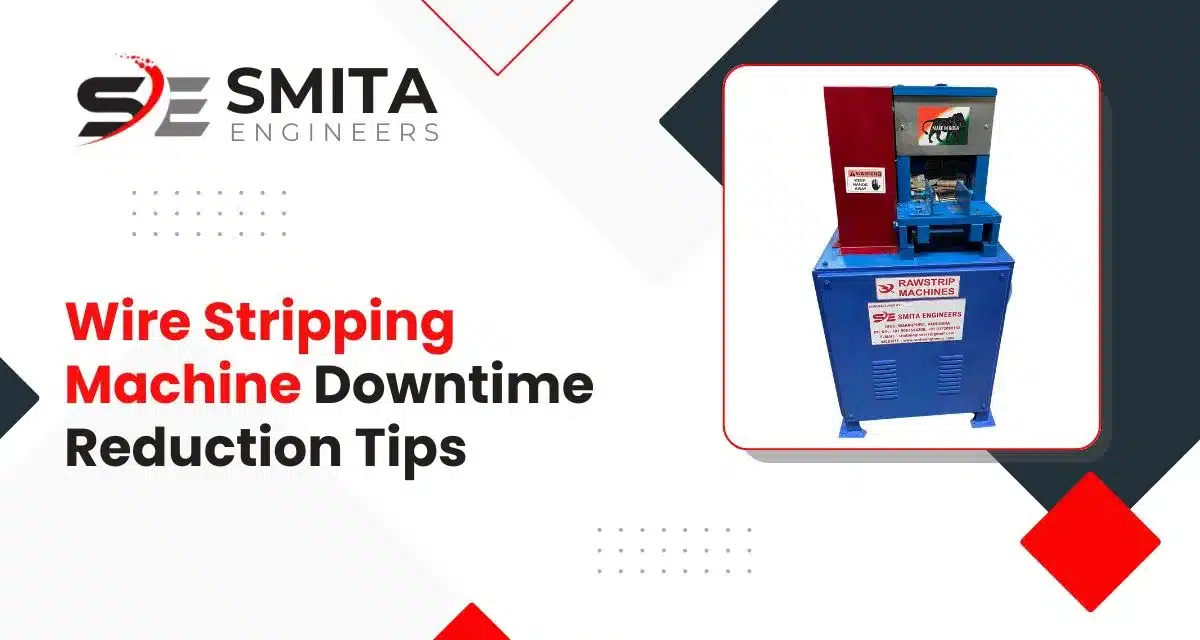
Downtime is one of the biggest hidden costs in wire processing operations. Even a few minutes of stoppage can disrupt schedules, increase rework, and slow down delivery commitments. Whether you run a small workshop or a high-output plant, reducing downtime is essential to maintaining consistent daily production.
The good news is that most downtime causes are preventable with the right practices, operator habits, and maintenance routines. When you use a wire stripping machine correctly and maintain it on schedule, you can reduce breakdowns, improve stripping consistency, and increase overall productivity.
What Causes Downtime in Wire Processing Units?
Downtime usually happens because of small issues that build up over time—like improper feeding, dull blades, wire dust buildup, or incorrect settings. Many teams blame the machine, but often the real cause is skipped maintenance or inconsistent operating procedures. A well-maintained wire stripping machine will typically run smoothly for long hours with minimal interruptions.
Common downtime reasons include:
- Blade wear and cutting errors
- Poor wire feeding alignment
- Sensor or motor overload
- Dust and insulation debris buildup
- Incorrect strip length settings
- Lack of preventive maintenance planning
Why Downtime Reduction Matters for Productivity and Profit?
Reducing downtime is not just about speeding up production—it directly improves cost control. Every time your line stops, you lose labour hours, create batch delays, and increase the chance of mistakes when restarting. A reliable wire stripping machine helps you maintain stable shift performance and prevents unnecessary rework.
- Higher wires processed per hour
- Lower scrap and conductor damage
- Better on-time delivery performance
- Reduced operator fatigue and stress
- Improved machine lifespan and ROI
Daily Checks to Prevent Unexpected Machine Stops
Daily inspection routines take only a few minutes but can save hours of downtime. Before starting production, operators should verify machine settings, blade condition, and feed stability. This simple practice keeps your wire stripping machine performing consistently throughout the shift.
- Check blade sharpness and tightness
- Inspect feed rollers for dust buildup
- Confirm strip length settings match job sheet
- Verify power connections and emergency stop function
- Run 3–5 test strips before batch processing
Maintenance Tips to Reduce Wire Stripping Machine Downtime
Preventive maintenance is the #1 solution for downtime reduction. Instead of waiting for a breakdown, scheduled cleaning, lubrication, and calibration keep performance stable. A properly maintained wire stripping machine delivers better strip accuracy and fewer stoppages in production.
1) Clean the Machine Every Shift
Wire insulation dust and debris can block feeding and affect strip quality. A quick cleaning routine prevents sensor issues and misfeeds in your wire stripping machine.
Tip: Use a soft brush and compressed air (where recommended) to remove debris.
2) Replace Blades Before They Fail
Blades don’t suddenly become unusable—they gradually lose sharpness, leading to wire damage and stripping inconsistency. Changing blades on time helps your wire stripping machine avoid unplanned stops.
Best practice: Keep a blade replacement log based on wire volume.
3) Check Feed Roller Grip and Alignment
Misaligned or worn rollers cause wire slippage, uneven stripping, and sudden stoppages. Roller inspection is essential for stable performance in a wire stripping machine, especially when handling different wire gauges.
4) Calibrate Strip Length Regularly
If stripping length drifts, it increases rejection rates and slows down the line due to rework. Weekly calibration ensures your wire stripping machine stays accurate and consistent.
Want to reduce downtime and improve daily output with a high-performance wire stripping machine? Contact us today to get the right machine and expert guidance.
Operator Training Practices That Minimize Errors
Even the most advanced machine can face downtime if operators lack proper handling skills. Small mistakes—like incorrect wire loading or wrong settings—can trigger jams and delays. Training operators to run a wire stripping machine correctly reduces avoidable stoppages and improves shift efficiency.
- Correct wire insertion technique
- Understanding strip length and depth settings
- Safe blade handling practices
- Identifying early signs of blade wear
- Proper startup and shutdown procedures
Pro tip: Create a one-page SOP sheet near the machine station to keep operations consistent for every operator using the wire stripping machine.
Best Practices for Spare Parts and Tool Management
One major downtime mistake is waiting for a part to fail and then ordering it later. Fast-moving parts should always be available on-site so your line can restart quickly. Having ready spares for your wire stripping machine prevents long stoppages caused by small component issues.
Recommended Spare Parts to Keep Ready
- Spare blade sets
- Feed rollers
- Fuses and switches
- Sensors (for automatic models)
- Standard tools for quick adjustments
How to Improve Workflow Around Wire Stripping Stations?
Downtime is not always caused by machine faults—sometimes it happens due to poor workflow. If wire bundles aren’t organized or job sheets aren’t clear, operators waste time between batches. A smooth workstation layout enhances output when using a wire stripping machine in production settings.
Workflow Improvement Ideas
- Keep wire coils pre-arranged by gauge and job order
- Use labelled bins for stripped wire batches wire stripping machine
- Maintain job cards with strip length and quantity
- Assign one person for feeding + one for inspection in bulk runs
- Batch similar wire types together to reduce reprogramming time
When the workflow supports the machine, your wire stripping machine runs continuously without frequent stops.
Frequently Asked Questions
What is the most common cause of wire stripping machine downtime?
The most common causes are dull blades, dust buildup, and feeding misalignment. Routine inspection and cleaning help your wire stripping machine run without frequent interruptions.
How often should wire stripping machine blades be replaced?
Blade replacement depends on wire volume and insulation type. Many manufacturers replace blades proactively based on output cycles to avoid unexpected downtime in a wire stripping machine.
Does preventive maintenance really reduce downtime?
Yes. Preventive maintenance helps detect issues early and avoids breakdowns. A scheduled maintenance plan keeps your wire stripping machine stable and improves stripping consistency.
Can operator mistakes cause machine stoppage?
Absolutely. Incorrect wire loading, wrong settings, or poor cleaning habits can create jams. Proper training ensures operators use the wire stripping machine efficiently and safely.
Conclusion
Downtime reduction isn’t a one-time fix—it’s a consistent system of daily checks, preventive maintenance, operator training, and smarter workflow planning. When your production team follows these habits, your wire stripping machine performs reliably, output becomes predictable, and your business delivers faster with fewer errors.
Related Posts