Quality inspection is essential for ensuring consistent performance and long-term reliability in cable processing industries.…
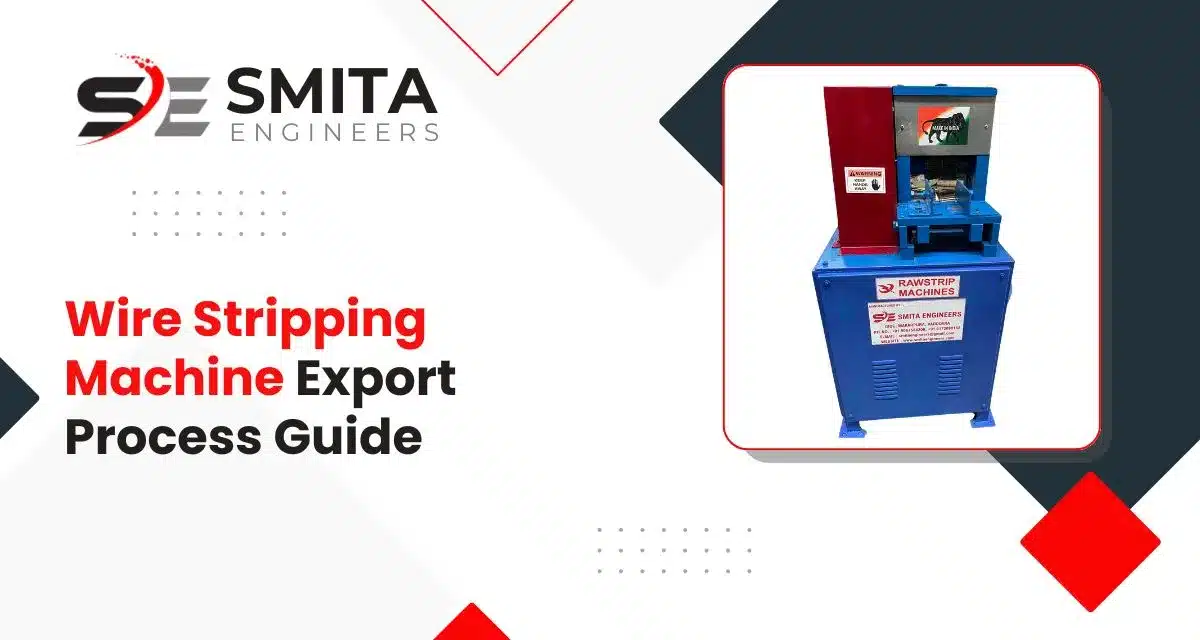
Exporting industrial machinery requires proper planning, documentation, compliance, and logistics coordination. The global demand for cable processing equipment is growing rapidly, and manufacturers are expanding into international markets. Understanding the complete Wire Stripping Machines export process guide helps ensure smooth customs clearance, safe transportation, and timely delivery to overseas buyers.
A structured export process reduces delays, prevents documentation errors, and ensures compliance with international trade regulations. This guide explains the step-by-step export procedure, required documents, shipping methods, cost factors, and compliance requirements to help streamline your export operations.
Wire Stripping Machine Export
Wire stripping machine export process involves systematic steps that ensure compliance with international trade laws and smooth shipment handling.
Step 1 – Product Classification & HS Code Identification
A Wire Stripping Machines export begins with identifying the correct HS (Harmonized System) code. The HS code determines customs duty, trade regulations, and import restrictions in the destination country.
Using the correct HS code helps:
- Avoid customs delays
- Prevent incorrect duty calculation
- Ensure compliance with trade regulations
Incorrect classification can cause shipment delays and penalties.
Step 2 – Export Documentation Preparation
The Wire Stripping Machines export documentation is one of the most critical steps in the export process. Proper documentation ensures smooth customs clearance and secure international transactions.
Essential export documents include:
- Commercial Invoice
- Packing List
- Bill of Lading or Airway Bill
- Certificate of Origin
- Insurance Certificate
- Export Declaration
Incomplete documentation may result in shipment delays or customs rejection.
Step 3 – Compliance & Certification Requirements
Wire stripping machine export compliance ensures that the machine meets safety, electrical, and regulatory standards required by the importing country.
Common compliance requirements include:
- CE Certification (for European countries)
- Electrical safety compliance
- Voltage compatibility (110V/220V/380V)
- Quality testing reports
Meeting compliance standards avoids shipment rejection and builds trust with international buyers.
Step 4 – Packaging & Crating for International Shipping
The Wire Stripping Machines export packaging must protect the machine from shock, vibration, and moisture during transit. Proper packaging ensures damage-free delivery.
Common packaging methods include:
- Wooden crate packaging
- Shockproof foam protection
- Waterproof wrapping
- Anti-rust coating
Proper packaging reduces the risk of transit damage, especially for sea freight shipments.
Step 5 – Freight & Logistics Arrangement
A Wire Stripping Machines export logistics depend on shipment size, urgency, and buyer preference. Choosing the right shipping method ensures cost efficiency and timely delivery.
Shipping options include:
Air Freight
- Faster delivery (5–10 days)
- Higher shipping cost
- Suitable for urgent orders
Sea Freight
- Cost-effective for heavy machinery
- Transit time 20–45 days
- Ideal for bulk shipments
Express Courier
- Suitable for spare parts
- Small machine models
Selecting appropriate Incoterms (FOB, CIF, EXW) ensures clarity in shipping responsibility.
Step 6 – Customs Clearance Process
The Wire Stripping Machines export customs clearance involves submitting required documents to customs authorities for approval. Export clearance must be completed before shipment departure.
Import customs clearance is handled at the destination country and may include:
- Duty payment
- Tax calculation
- Compliance verification
Proper documentation ensures smooth customs clearance without delays.
Wire Stripping Machine Export Documentation Checklist
A Wire Stripping Machines export documentation must be complete and accurate to avoid shipment delays.
| Document Name | Purpose | Mandatory |
| Commercial Invoice | Transaction details | Yes |
| Packing List | Packaging details | Yes |
| Bill of Lading | Shipping confirmation | Yes |
| Certificate of Origin | Country verification | Country-specific |
| Insurance Certificate | Cargo protection | Recommended |
| CE Certificate | Regulatory compliance | Destination-based |
Maintaining proper documentation ensures smooth export operations.
International Shipping Methods for Wire Stripping Machine Export
The Wire Stripping Machines export shipping method selection depends on cost, urgency, and machine size.
Sea freight is commonly used for exporting heavy industrial machinery because it offers lower shipping costs. Air freight is preferred for urgent orders requiring fast delivery. Choosing the right logistics partner improves reliability and ensures safe transportation.
Proper freight planning reduces delays and improves international delivery performance.
Estimated Cost Breakdown for Wire Stripping Machine Export
A Wire Stripping Machines export cost depends on several components including production, packaging, freight, and customs duties.
| Cost Component | Description |
| Machine Cost | Manufacturing cost |
| Packaging Cost | Crating and protection |
| Freight Charges | Air or sea shipping |
| Insurance | Cargo protection |
| Customs Duty | Import country charges |
| Documentation Fees | Export processing fees |
Understanding cost breakdown helps in accurate pricing and profit planning.
Compliance Requirements for Exporting Wire Stripping Machines
The Wire Stripping Machines export compliance ensures smooth entry into international markets. Different countries have specific regulations for importing industrial machinery.
Electrical Standards Compliance
Electrical compliance is one of the most important aspects of wire stripping machine export. Different countries operate on different voltage systems and electrical frequencies. For example:
- 110V / 60Hz (USA, Canada)
- 220V / 50Hz (Europe, Asia)
- 380V / 415V (Industrial three-phase systems)
The machine must be configured according to the buyer’s country requirements. Incorrect voltage compatibility can cause operational failure or safety hazards. Providing proper wiring diagrams and electrical specifications improves buyer confidence and simplifies installation.
Safety Certification
Safety certification is mandatory in many international markets. Countries may require certifications such as:
- CE Certification (European Union)
- UL Certification (United States)
- RoHS Compliance (Restriction of Hazardous Substances)
- ISO Quality Standards
These certifications verify that the Wire Stripping Machines meets international safety and quality standards. Proper certification ensures faster customs clearance and improves global market credibility.
Environmental Regulations
Many countries have strict environmental regulations for imported industrial machinery of Wire Stripping Machines. Compliance may include:
- Restriction of hazardous materials
- Energy efficiency standards
- Noise level limitations
- Eco-friendly packaging requirements
Adhering to environmental regulations reduces the risk of fines and supports sustainable business practices.
Documentation & Labeling Requirements
Compliance also involves accurate documentation and labeling. Machines must include:
- Manufacturer details
- Model number
- Serial number
- Electrical rating label
- Safety warning labels
Clear labeling ensures smooth inspection by customs authorities and improves transparency during import clearance of Wire Stripping Machines.
Country-Specific Import Regulations
Each country has unique import policies, and compliance requirements may vary. Some nations require:
- Pre-shipment inspection certificates
- Third-party quality inspection reports
- Import permits
- Special testing approvals
Verifying country-specific regulations before shipment reduces unexpected complications and ensures a smooth export process of Wire Stripping Machines.
Looking to export wire stripping machines smoothly and efficiently? Contact us today for expert guidance and hassle-free export support.
Common Challenges in Wire Stripping Machine Export
Wire stripping machine export may face several challenges if not managed properly, especially when shipping to multiple international markets with different regulations and import procedures. Exporting industrial machinery involves documentation accuracy, compliance verification, logistics coordination, and customs clearance. Even small errors in paperwork or packaging can cause shipment delays, financial losses, or customer dissatisfaction. Since a Wire Stripping Machines is categorized as industrial equipment, it must meet strict international trade regulations. Without proper planning and professional export handling, exporters may encounter avoidable complications that impact delivery timelines and overall business reputation.
- Incorrect HS code classification
- Missing or incomplete documents
- Customs clearance delays
- Shipping damage during transit
- Regulatory non-compliance
- Improper packaging
- Incorrect voltage specification
- Payment and banking delays
- Communication gaps with freight forwarders
Each of these challenges can significantly affect export success if not handled carefully.
Tips for Smooth Wire Stripping Machine Export
The Wire Stripping Machines export can be streamlined with proper coordination, detailed planning, and strong communication between exporters, freight forwarders, customs agents, and international buyers. Exporting industrial machinery is a complex process that involves regulatory compliance, documentation accuracy, logistics management, and risk control. By following structured export practices, businesses can reduce delays, avoid unnecessary costs, and ensure timely delivery to global customers.
- Verify destination country regulations
- Double-check documentation accuracy
- Use professional freight forwarders
- Ensure secure and compliant packaging
- Track shipment status regularly
- Confirm voltage and technical specifications
- Choose correct Incoterms (FOB, CIF, EXW, DDP)
- Maintain clear buyer communication
- Arrange cargo insurance coverage
Each of these practices plays an important role in ensuring smooth international shipment.
Frequently Asked Questions
What documents are required for wire stripping machine export?
Required documents include commercial invoice, packing list, bill of lading, certificate of origin, and insurance certificate.
How long does wire stripping machine export take?
Export time depends on shipping method. Air freight takes 5–10 days, while sea freight takes 20–45 days.
What is the HS code for wire stripping machine export?
HS codes vary by country but usually fall under machinery or cable processing equipment classification.
Is certification required for exporting wire stripping machines?
Yes, some countries require CE certification, electrical compliance, and safety approvals.
Which shipping method is best for wire stripping machine export?
Sea freight is cost-effective for heavy machines, while air freight is suitable for urgent shipments.
Conclusion
The export process for Wire Stripping Machines requires proper documentation, compliance, packaging, and logistics planning to ensure smooth international delivery. By following a structured export procedure, businesses can avoid delays, reduce risks, and improve global customer satisfaction. A well-managed export system ensures efficient international trade, reliable delivery, and long-term business growth in global markets.
Related Posts