Exporting industrial machinery requires proper planning, documentation, compliance, and logistics coordination. The global demand for…
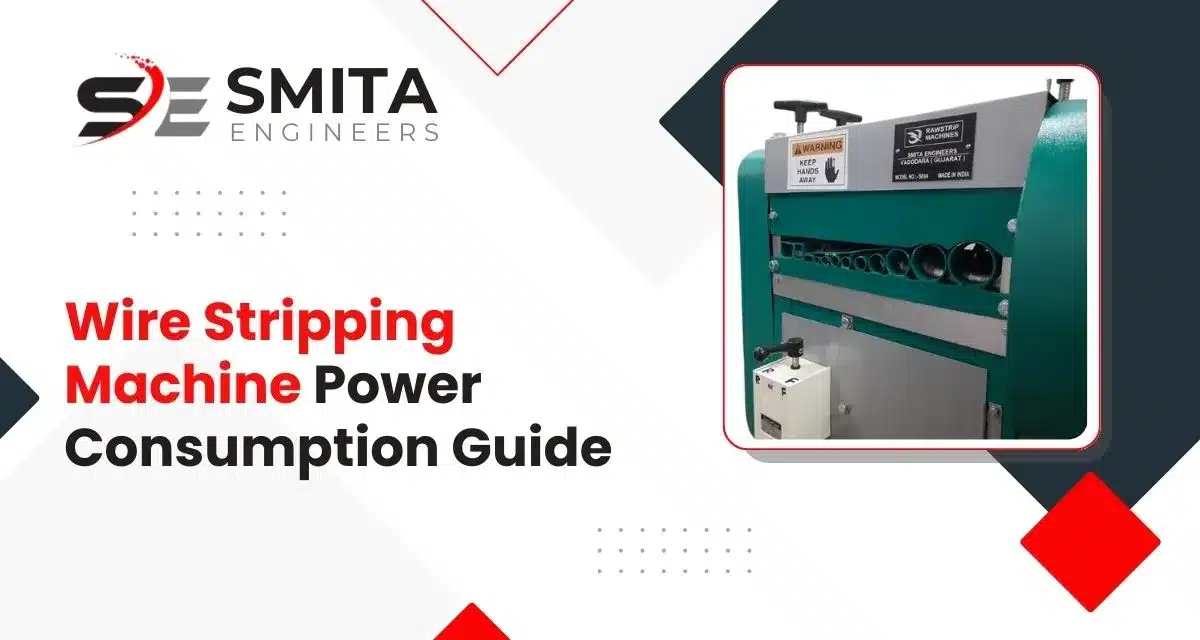
Power consumption is an often-overlooked factor when businesses invest in industrial equipment. While speed and strip accuracy are usually the top priorities, electricity usage plays a major role in long-term operating cost—especially for factories running multiple shifts daily.
If your production depends on consistent wire processing, understanding how a wire stripping machine consumes power can help you choose the right model, prevent energy waste, and build a smarter cost plan for large-scale operations.
Why Power Consumption Matters in Wire Stripping?
Electricity cost directly impacts the cost per wire processed. Even if your output is high, inefficient energy use can silently reduce your profit margins over time. This is especially important for wire harness units, panel builders, and OEM suppliers where production is repetitive and daily machine hours are high.
A modern wire stripping machine can improve productivity while keeping energy usage stable but choosing the wrong capacity or running it inefficiently can increase power bills unnecessarily. Smart factories now consider energy efficiency as part of their equipment planning, just like performance and durability.
What Affects Wire Stripping Machine Power Usage?
Power consumption varies based on machine type, capacity, and daily usage habits. Here are the key factors that impact the energy usage of a wire stripping machine:
1) Motor Type and Power Rating
The motor is the main energy consumer in most machines. Higher horsepower motors may process faster, but they also consume more electricity—especially when running continuously.
2) Machine Speed and Workload
Machines running at higher speeds for long periods will naturally use more power. A high-speed wire stripping machine processing thick cables consumes more than a low-speed model handling thin wires.
3) Wire Size and Insulation Type
Thicker insulation and larger gauge wires require more cutting force. That force translates into higher motor load, increasing the power draw of your wire stripping machine during operation.
4) Additional Features and Automation
Automatic models may include digital controllers, sensors, feeding systems, and cutting mechanisms. These features improve consistency, but they can increase the total power consumption of a wire stripping machine, depending on design efficiency.
5) Maintenance Condition
Dirty rollers, dull blades, and poor feeding alignment force the motor to work harder. A poorly maintained wire stripping machine often consumes more power while producing less output.
Typical Power Consumption Range
Power consumption depends on the category of machine. While exact figures vary by model and manufacturer, most units fall into these general ranges:
| Machine Type | Typical Power Range | Best For |
| Manual / Hand Stripper | No electricity | Low volume work |
| Semi-Automatic Wire Stripping Machine | ~100W–500W | Small to mid-production |
| Automatic Wire Cutting & Stripping Machine | ~300W–1500W+ | High-volume factory use |
A properly selected wire stripping machine will deliver the best balance between speed and energy usage. Oversized machines may waste power if your wire volume is low, while undersized machines may struggle and consume extra energy under load.
Semi-Automatic vs Automatic: Which Consumes More?
Semi-Automatic Wire Stripping Machines
Semi-automatic models are usually compact, with fewer moving components. They often consume less power and are ideal when wire quantities are moderate and job types vary.
In many workshops, a semi-automatic wire stripping machine helps reduce labour while keeping power costs manageable.
Automatic Wire Cutting and Stripping Machines
Automatic machines are built for speed and repeatability. They include feed mechanisms, cutting units, and programmed stripping settings. These functions increase power usage, but they also increase productivity significantly.
For factories, a high-output wire stripping machine can still be energy-efficient when the cost per wire processed is lower due to volume.
Looking to reduce energy costs without sacrificing wire processing performance? Contact us to choose the right wire stripping machine for efficient, cost-effective production.
How to Reduce Power Consumption Without Reducing Output?
The goal is not only to reduce energy use, but to reduce wasted energy while keeping performance strong. Here are practical, proven ways to do that:
1) Choose the Right Capacity Machine
Selecting a machine that matches your daily wire volume is the biggest step. A heavy-duty wire stripping machine is great for large workloads but running it for light jobs may waste electricity.
2) Use Batch Processing for Similar Wire Jobs
Constant job switching leads to more setup time and inefficient machine use. Batch processing keeps the wire stripping machine running smoothly without repeated stops and restarts.
3) Keep Blades Sharp and Clean
A dull blade increases cutting resistance. That makes the motor work harder, which can increase power draw. Sharp blades help your wire stripping machine operate with less load.
4) Prevent Idle Running
Many factories leave machines powered ON between batches. Even standby mode can consume electricity. Switching off during long idle periods reduces overall power usage of a wire stripping machine.
5) Maintain Stable Power Supply
Voltage fluctuation can cause machines to draw extra current and heat up. A stable power setup helps your wire stripping machine run safely and efficiently.
6) Train Operators for Correct Settings
Incorrect strip depth and feeding errors cause jams and rework. That means more machine runtime for the same job. Proper training ensures the wire stripping machine completes tasks in fewer cycles.
Energy Efficiency Checklist for Buyers
If you’re planning to buy a new wire stripping machine, this checklist helps ensure you choose an energy-smart option:
- Look for correct motor rating based on wire type
- Prefer machines with stable feed and low vibration
- Select models with efficient cutting and stripping design
- Choose digital controls for accurate repeat jobs
- Ensure easy maintenance access for blades and rollers
- Confirm recommended operating cycle and duty rating
- Ask about energy-saving or idle reduction features
A well-designed wire stripping machine doesn’t just strip wire faster—it reduces operational friction, saving both time and electricity.
Frequently Asked Questions
Does an automatic wire stripping machine consume a lot of electricity?
Automatic models usually consume more power than semi-automatic ones, but they also complete jobs faster. A high-efficiency wire stripping machine often reduces energy cost per wire due to higher productivity.
What increases wire stripping machine power usage the most?
Thick cables, dull blades, poor feeding alignment, and continuous high-speed operation can increase the load and power draw of a wire stripping machine.
Can maintenance help reduce electricity consumption?
Yes. Clean rollers, sharp blades, and correct settings reduce motor stress. A maintained wire stripping machine runs smoother and uses power more efficiently.
Which wire stripping machine is best for low power consumption?
Semi-automatic models usually consume less power and work well for moderate volumes. For large-scale production, a properly sized automatic wire stripping machine can still be cost-effective and efficient.
Conclusion
Power consumption is not just a technical detail—it’s a cost factor that impacts profitability over months and years. By choosing the right equipment capacity, maintaining blades and feeding systems, and avoiding idle waste, you can reduce energy usage while maintaining output. A well-built wire stripping machine offers the best combination of speed, strip accuracy, and long-term operating efficiency for wire processing operations.
Related Posts