Exporting industrial machinery requires proper planning, documentation, compliance, and logistics coordination. The global demand for…
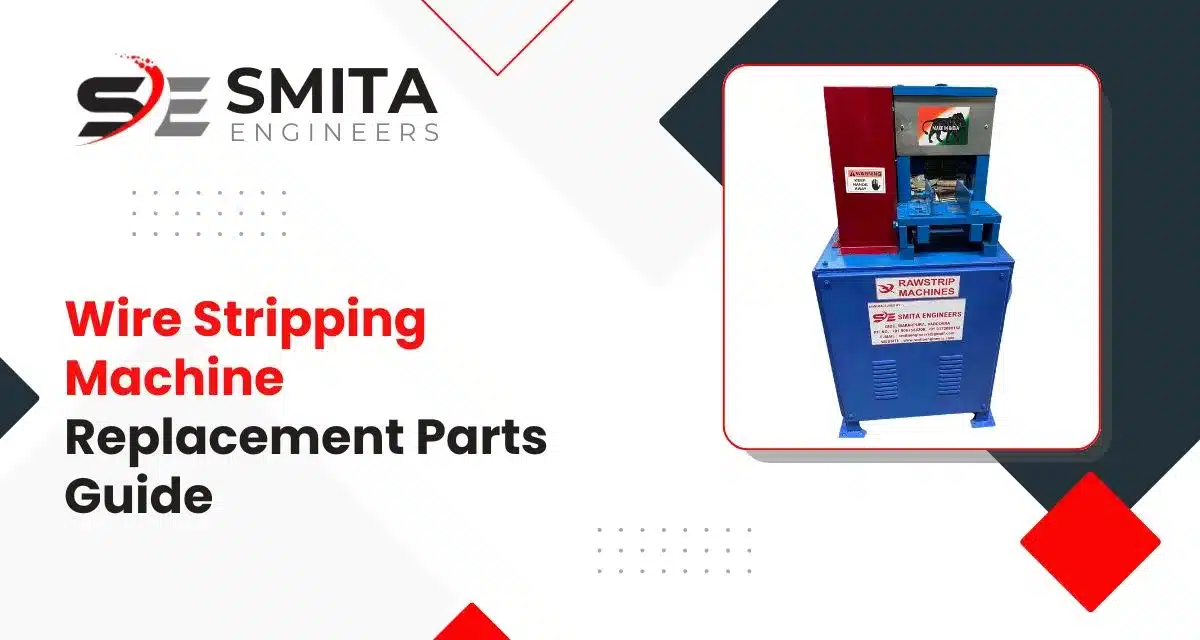
A wire stripping machine is a critical asset in industrial wire processing. Over time, even the most robust machine experiences wear due to continuous cutting, stripping, feeding, and motor operation. Understanding wire stripping machine replacement parts is essential to maintain accuracy, reduce downtime, control operating costs, and extend machine life.
This Wire Stripping Machine Replacement Parts Guide explains key components, signs of wear, replacement schedules, and best practices to help factories keep wire processing efficient and reliable.
Why Replacement Parts Matter in a Wire Stripping Machine?
Every wire stripping machine operates under mechanical load, friction, and electrical stress. When parts wear out or fall out of calibration, the machine may still run—but performance drops.
Ignoring replacement parts can lead to:
- Poor strip quality
- Conductor damage
- Increased scrap
- Higher power consumption
- Unexpected breakdowns
Using the right wire stripping machine replacement parts ensures consistent stripping accuracy, safe operation, and stable production output.
Replacement Parts in a Wire Stripping Machine
Replacement parts in a wire stripping machine are essential for maintaining strip accuracy, smooth operation, and consistent production output. Timely replacement of worn components helps prevent downtime, reduce scrap, and extend machine life.
1. Stripping Blades
Stripping blades are the most frequently replaced parts in a wire stripping machine.
Role:
- Cut insulation cleanly
- Maintain precise strip length and depth
Signs blades need replacement:
- Rough or uneven stripping
- Nicked or damaged conductors
- Increased motor load
- Visible dull edges
Tip:
Sharp blades reduce cutting resistance, improving strip quality and lowering power consumption.
2. Cutting Blades
Cutting blades handle wire length cutting before or after stripping.
When to replace:
- Inconsistent wire length
- Frayed wire ends
- Increased vibration during cutting
A worn cutting blade forces the wire stripping machine motor to work harder, affecting speed and accuracy.
3. Feed Rollers
Feed rollers grip and guide the wire through the wire stripping machine.
Common issues:
- Slipping wires
- Uneven feeding
- Flattened insulation
Replacing worn feed rollers restores smooth wire movement and prevents strip length errors.
4. Guide Tubes & Wire Guides
These parts align the wire before cutting and stripping.
Problems caused by worn guides:
- Wire bending
- Misaligned stripping
- Increased blade wear
Precision guides protect both the wire and the internal components of the wire stripping machine.
5. Drive Belts & Chains
Drive belts or chains transfer motion from the motor to cutting and feeding mechanisms.
Replacement indicators:
- Speed fluctuation
- Slipping during load
- Noise or vibration
Timely replacement prevents sudden stoppages in the wire stripping machine.
6. Motors
Motors power cutting, feeding, and stripping operations.
Warning signs:
- Overheating
- Reduced torque
- Unusual noise
- Frequent tripping
Replacing or servicing motors ensures stable performance and prevents damage to other wire stripping machine parts.
7. Sensors & Limit Switches
Modern wire stripping machines rely on sensors for accuracy and automation.
Issues caused by faulty sensors:
- Incorrect strip length
- Missed cuts
- Production errors
Replacing worn or damaged sensors restores automation reliability.
8. Control Panels & Keypads
Control panels allow operators to set strip length, speed, and batch quantity.
Replacement needed if:
- Buttons fail
- Display errors occur
- Settings don’t save
A responsive control panel keeps the wire stripping machine user-friendly and accurate.
Need genuine replacement parts to keep your wire stripping machine performing at its best? Contact us today for reliable components and expert support.
How Often Should Wire Stripping Machine Parts Be Replaced?
Replacement frequency depends on machine usage, wire type, and operating hours. Regular inspections and timely part replacement help maintain performance and prevent unexpected downtime.
- Daily operating hours
- Wire type and insulation hardness
- Machine speed
- Maintenance quality
General guideline:
| Part | Replacement Frequency |
| Stripping blades | High frequency |
| Cutting blades | Medium frequency |
| Feed rollers | Medium frequency |
| Belts & chains | Periodic |
| Sensors | As required |
| Motors | Long-term |
Proactive replacement prevents unplanned downtime in a wire stripping machine.
OEM vs Local Replacement Parts
OEM replacement parts are designed specifically for your wire stripping machine, offering better fit, accuracy, and long-term reliability. Local parts may cost less initially but can lead to inconsistent performance and more frequent replacements over time.
OEM Replacement Parts
- Designed specifically for your wire stripping machine
- Better fit and accuracy
- Longer service life
Non-OEM / Local Parts
- Lower upfront cost
- May require frequent replacement
- Risk of inconsistent performance
For critical components like blades, feed rollers, and sensors, OEM-grade wire stripping machine replacement parts are recommended.
How Replacement Parts Affect Wire Stripping Machine Performance?
Using the right replacement parts:
- Maintains strip accuracy
- Reduces conductor damage
- Lowers scrap rate
- Improves energy efficiency
- Extends machine lifespan
A poorly maintained wire stripping machine often costs more in rework and downtime than timely part replacement.
Best Practices for Managing Wire Stripping Machine Replacement Parts
- Maintain a spare parts inventory
- Track blade usage cycles
- Replace parts before failure
- Train operators to detect early wear signs
- Follow manufacturer-recommended maintenance schedules
- Use correct part specifications
These practices keep the wire stripping machine running smoothly under continuous production.
Common Mistakes to Avoid
- Delaying blade replacement
- Using incorrect blade size or material
- Ignoring feed roller wear
- Running machines with misaligned guides
- Skipping routine inspections
Each mistake increases wear on the wire stripping machine and raises operational costs.
Frequently Asked Questions
Which parts wear out fastest in a wire stripping machine?
Stripping blades and cutting blades experience the highest wear due to constant contact with insulation.
Can worn parts increase power consumption?
Yes. Dull blades and misaligned feed rollers force the motor to work harder, increasing energy use.
Is it better to replace parts individually or in sets?
For blades and rollers, replacing in sets often ensures balanced performance and consistent results.
How do replacement parts improve strip quality?
Sharp blades and aligned guides ensure clean insulation removal without damaging conductors.
Conclusion
A wire stripping machine delivers consistent performance only when its parts are in optimal condition. Understanding and managing wire stripping machine replacement parts is not just maintenance—it is a productivity strategy. By replacing worn blades, rollers, belts, and sensors on time, manufacturers can reduce downtime, improve quality, and control operating costs.
A well-maintained wire stripping machine ensures long-term reliability, efficient wire processing, and higher return on investment.
Related Posts