Exporting industrial machinery requires proper planning, documentation, compliance, and logistics coordination. The global demand for…
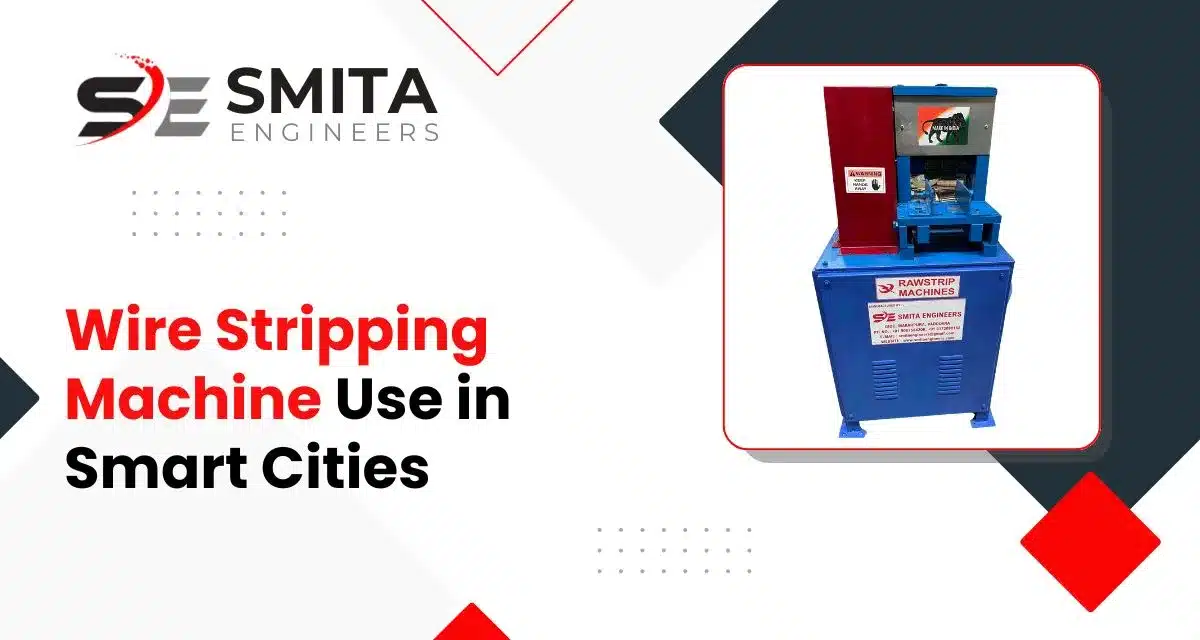
Modern smart cities are not just about high-rise buildings and connected devices — they’re also about efficient waste management, sustainable infrastructure, and circular economy practices. A key component in this transformation is the wire stripping machine, which plays a vital role in recycling cables and recovering metals like copper and aluminium. In this blog, we’ll explore how smart cities around the world are leveraging automatic wire stripping machines, cable recycling systems, and high-throughput processing equipment to support their sustainability and infrastructure goals.
1. Why Smart Cities Need Wire Stripping Machines
Smart cities generate massive volumes of electronic and electrical waste (e-waste) through construction, infrastructure upgrades, telecom networks, and IoT deployments. Efficiently processing this e-waste requires tools that are fast, precise, and environmentally friendly. According to the NITI Aayog “Waste-Wise Cities” report, advanced waste technologies help reduce operational and maintenance costs of urban infrastructure by up to 28%.
A properly configured wire stripping machine for smart city applications enables municipalities and recyclers to:
- Extract valuable metals from discarded cables and wiring
- Reduce landfill burden and hazardous emissions
- Support circular economy initiatives by transforming waste into resources
2. Integration of Wire Stripping in Smart City Infrastructure
Smart city models include digital monitoring, IoT-enabled waste collection, and infrastructure reuse. Within this context, wire stripping machines become critical at several points:
- E-waste collection hubs: Discarded building wiring, telecom cables, and data centre scraps are pre-processed using cable stripping equipment before final recycling.
- Recycling plants in smart city zones: With outputs of 200 kg to 1,000 kg/day, cable stripping machines efficiently handle large wires and fine cables alike.
- Construction & demolition (C&D) sites: As buildings are renovated or decommissioned, wiring is stripped on-site using portable or medium-capacity machines—minimising transport and separation costs.
By fitting into a smart city’s digital ecosystem (via data tracking, usage analytics, machine health monitoring), wire stripping machines support more than just recycling—they feed into smart waste logistics and resource recovery analytics.
3. Key Features of Wire Stripping Machines Suited for Smart Cities
When deployed in smart city settings, wire stripping machines must meet certain criteria:
High Throughput & Versatility
Urban recycling demands machines that handle a wide range of cable types—from thin network wires to heavy industrial power cables. Market research shows a growing trend toward equipment with throughput rates of up to 1,200 kg/hr.
Precision & Automation
Automated feeding, adjustable blade settings, and minimal manual intervention support fast processing and consistent results across diverse cable diameters and insulation types.
Energy Efficiency & Low Footprint
Smart city strategies emphasise low-carbon operations. Wire stripping machines that consume less energy and generate less waste align with these goals.
Data & Connectivity
IoT-enabled machines report utilisation, maintenance alerts, and performance metrics—allowing smart city administrators to monitor recycling operations as part of broader infrastructure dashboards.
Safety & Regulatory Compliance
Given the volume of employees and public interactions in smart city facilities, equipment must meet safety standards and integrate with environmental regulations governing e-waste and metal recovery.
4. Benefits of Deploying Wire Stripping Machines in Smart Cities
Enhanced Metal Recovery & Resource Efficiency
Cable insulation removal yields clean copper/aluminium, which commands higher value than unstripped wires. This supports smart city goals of resource value capture.
Reduced Waste & Environmental Impact
Stripping cables before landfill disposal or burning mitigates toxic emissions and supports e-waste management mandates.
Cost Savings & Operational Efficiency
High-speed and automatic machines lower labour costs, reduce error rates, and increase throughput—making recycling operations in smart city zones more economically viable.
Scalable Infrastructure for Urban Growth
As cities grow and wiring demands increase (EV charging, IoT devices, data centres), having dedicated cable-processing lines ensures smart city recyclers are ready for scale.
Data-Driven Decision Making
Machines with connectivity feed into smart city dashboards, enabling recycling operators and municipal planners to track metal recovery rates, machine utilisation, and forecast future needs.
Looking to modernize your smart city’s recycling system? Contact us for export-grade wire stripping machines built for efficient, sustainable cable processing.
5. How to Select the Right Wire Stripping Machine for a Smart City Setup
Step 1: Assess Cable Type & Volume
Determine the predominant cables (network vs industrial) and expected daily throughput. Choose machines rated for that range.
Step 2: Review Automation & Connectivity Options
For smart installations, prefer automatic wire stripping machines with data logging and remote monitoring.
Step 3: Choose Energy-Efficient Models
Review power consumption, standby modes, and energy-saving features to align with smart city sustainability goals.
Step 4: Plan for Integration
Ensure the machine can integrate with existing recycling lines or smart city waste management systems.
Step 5: Consider Maintenance & Support
Urban recycling hubs require minimal downtime. Choose machines with easy maintenance, available spare parts, and remote diagnostics.
6. Real-World Applications & Smart City Case Use
While specific city-by-city statistics are emerging, the underlying trends are clear: smart city frameworks increasingly include smart e-waste processing, digital recycling tracking, and system optimisation. For example, integrated IoT waste-management systems show efficiency gains of 15–26% in major cities when real-time monitoring is enabled.
Within that context, wire stripping machines provide the mechanical backbone for cable-based recycling streams—ensuring that recovered wiring from dismantled infrastructure or IoT roll-outs is processed rapidly and safely.
7. Challenges and Considerations in Smart City Deployments
Initial Capital Cost: Advanced machines may require higher upfront investment—a barrier for some urban recycling programmes.
Training & Skills: Operators in urban facilities must be trained to manage advanced equipment and IoT integration.
Cable Type Variability: Smart cities deal with diverse cable waste—machine flexibility is essential.
Data Integration: Ensuring machine‐generated data fits city dashboards and analytics platforms may require technical coordination.
Maintenance & Public-Private Partnership: Lifecycle management must suit municipal budgets and contracting arrangements.
8. Future Trends: Wire Strippers & Smart Cities
- Increasing adoption of AI-driven recycling lines that integrate wire stripping as a sub‐process.
- Machines with modular designs to switch between cable types dynamically.
- Edge-connected machines offering real‐time alerts and predictive maintenance for smart city infrastructure.
- Collaborative platforms where recyclers, municipalities and machine manufacturers share data for efficiency and transparency.
- Urban reward systems that feed recovered material data back to citizens, closing the loop in the circular economy.
Frequently Asked Questions
Why are wire stripping machines important for smart cities?
Wire stripping machines help recover valuable metals from cables, reduce e-waste, and support sustainable recycling — making them essential for smart city waste management systems.
How do wire stripping machines support smart city sustainability goals?
They promote circular economy practices by enabling efficient recycling of electrical cables, reducing landfill waste, and conserving natural resources.
What type of wire stripping machines are ideal for smart cities?
Automatic and IoT-enabled wire stripping machines are best suited for smart cities due to their high speed, energy efficiency, and integration capabilities with digital monitoring systems.
Can wire stripping machines be used in urban recycling facilities?
Yes, they are widely used in smart city recycling centers to process large volumes of copper and aluminum cables efficiently and safely.
Conclusion
Smart city infrastructure is only as sustainable as its waste-processing systems. By incorporating high-quality wire stripping machines, urban administrators, recycling operators and contractors ensure that cable and wiring waste is managed effectively, resources are recovered fully, and infrastructure remains future-ready. Whether you’re designing a smart city e-waste hub, upgrading a recycling line, or launching a cable-processing facility, picking the right machine is a vital component of your urban sustainability blueprint.
Related Posts