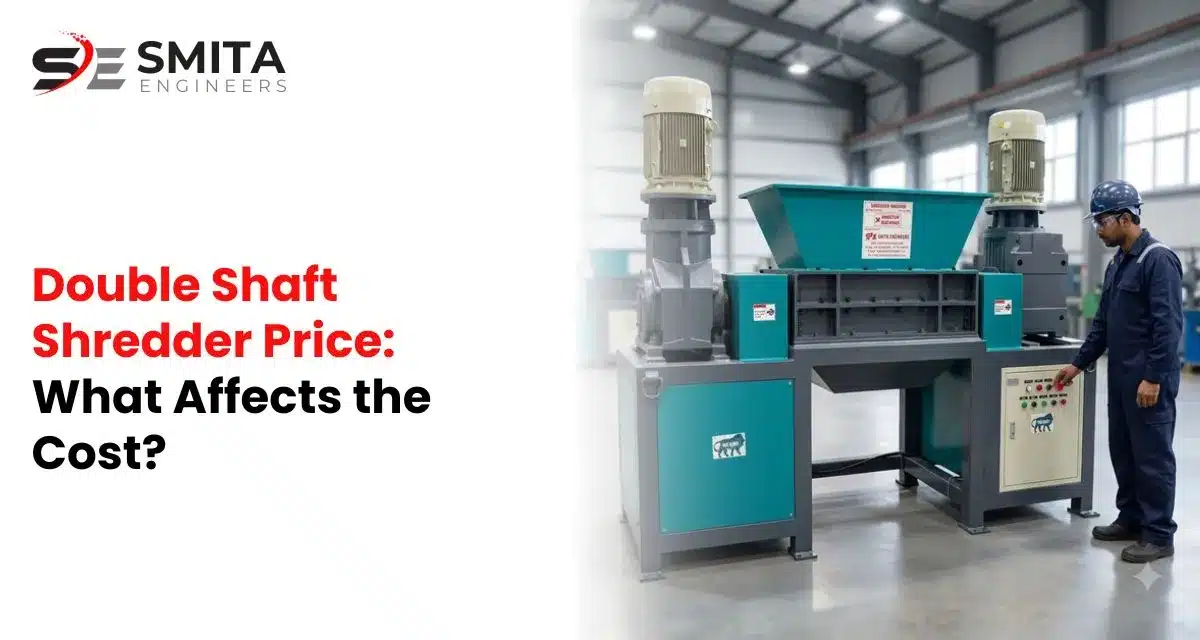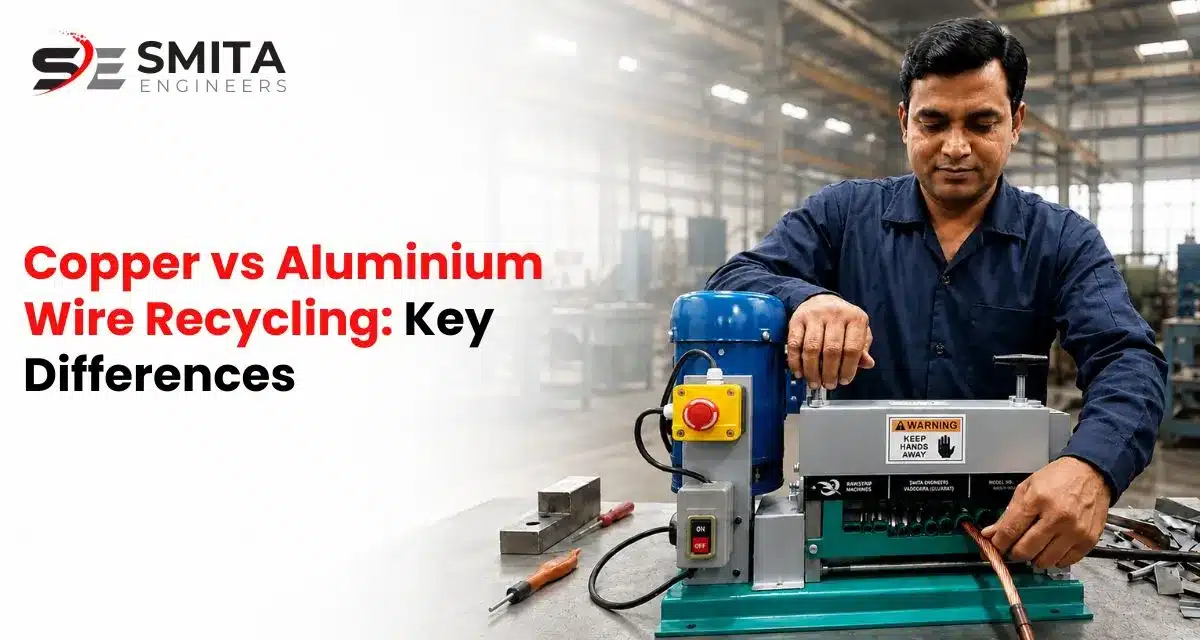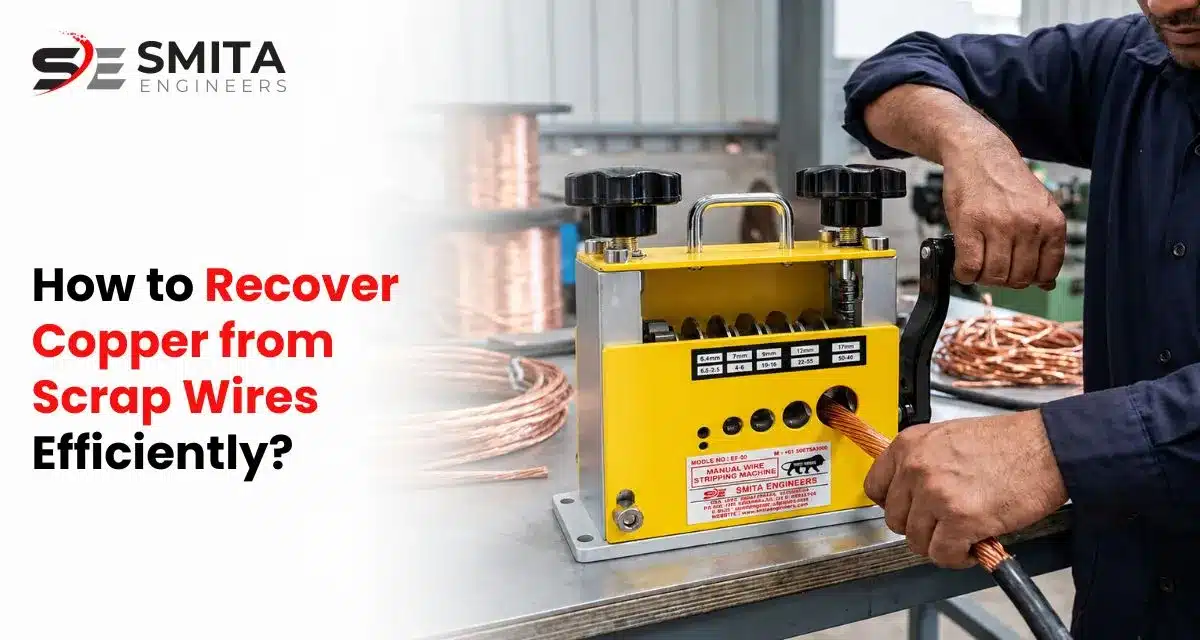
The cost of a Double Shaft Shredder depends on its motor power, blade configuration, processing…
Starting a scrap recycling business can be an opportunity for entrepreneurs looking to enter the waste management and material recovery industry. With growing demand for reusable raw materials, businesses can collect, sort, process, and sell different types of scrap to manufacturers and recycling companies. However, setting up a successful operation requires more than purchasing scrap and selling it.
Understanding the Scrap Recycling business model, selecting the right materials, arranging suitable machinery, and building reliable supplier and buyer networks are important steps. Here is a practical guide to starting a scrap recycling business in India in 2026.
Understand How the Scrap Recycling Business Works
Before starting, understand how the Scrap Recycling business operates and how scrap materials move through the recycling process. Generally, the business involves collecting discarded materials, sorting them according to type, processing them into reusable forms, and selling the recovered materials.
Common scrap categories include:
- Metal scrap: Iron, steel, copper, aluminium, and other metals.
- Plastic scrap: Different plastic grades and discarded plastic products.
- Electrical scrap: Wires, cables, and selected electrical components.
- Electronic waste: Discarded computers, circuit boards, and electronic equipment.
- Paper scrap: Newspapers, cardboard, and other recyclable paper products.
Each category has different handling, processing, equipment, and regulatory requirements. Beginners should consider starting with one or two manageable material categories rather than handling everything immediately.
Research Demand and Calculate Your Investment
Before investing in a Scrap Recycling business, understand where your raw material will come from and who will purchase the processed output. Speak with scrap suppliers, dealers, manufacturers, and recycling units. Check material availability, grading practices, and whether buyers prefer sorted or processed scrap.
Your budget should include:
- Premises, storage, and facility setup
- Scrap collection and transportation
- Weighing equipment and labour
- Electricity, maintenance, and safety arrangements
- Applicable registrations, permissions, and working capital
Scrap prices change, and buyers may have different payment terms. Calculate the full cost of each batch, including purchase, transport, sorting, processing, and residue disposal. This helps you judge whether a material can generate a workable margin.
Planning to start or expand a recycling operation? Contact us to discuss suitable shredding, wire stripping, and cable granulation machinery.
Arrange the Facility and Check Applicable Permissions
Choose a site with vehicle access, sorting and storage space, and a suitable power supply. Keep separate areas for incoming scrap, sorted materials, processing, and finished output. Maintain clear stock and sales records to reduce errors and material loss. A properly organised facility supports smoother Scrap Recycling operations as the business grows.
Requirements depend on the waste category and the activity. In India, plastic waste, e-waste, batteries, and hazardous waste may have specific environmental rules or authorisation requirements. Check applicable business, local, land-use, and pollution-control requirements with the relevant authorities before starting. One registration may not cover every recycling activity.
Select the Right Recycling Machinery
Machinery plays an important role in converting collected scrap into reusable materials. Choosing suitable equipment is essential for efficient Scrap Recycling, and the selection depends on the material, required output, processing volume, and available investment.
Some commonly used machines include:
- Double Shaft Shredder Machine: Reduces suitable bulky and tough scrap materials into smaller pieces.
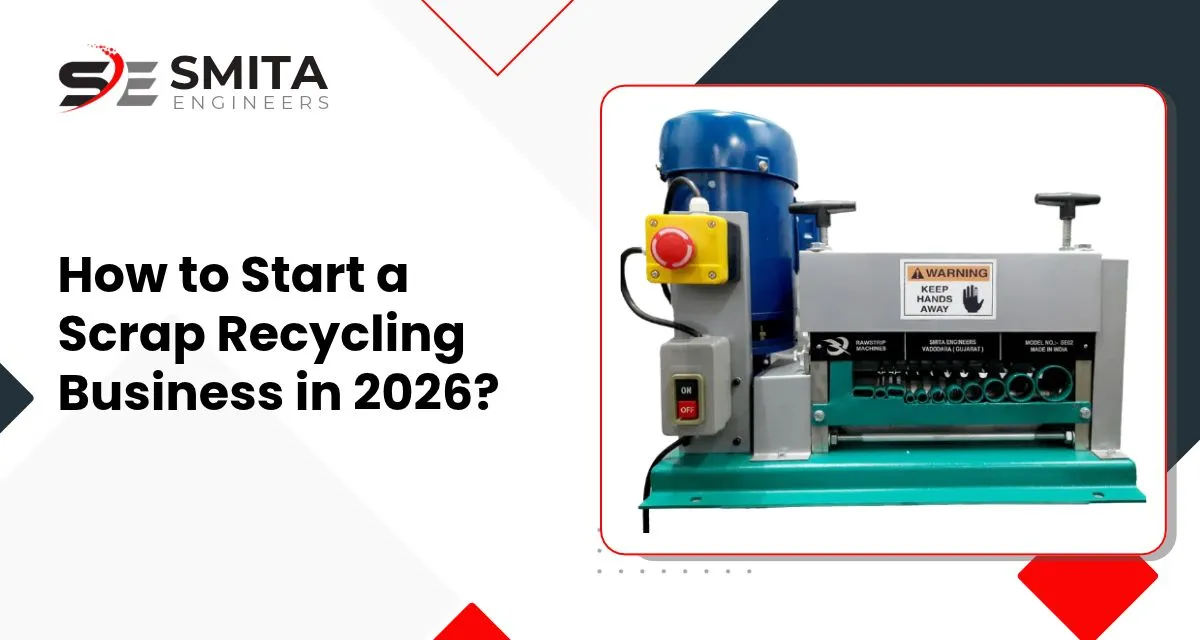
- Wire Stripping Machine: Removes insulation from compatible electrical wires to recover copper or aluminium.
- Scrap Cable Granulator Machine: Processes suitable scrap cables and separates metal from insulation.
For example, a business focusing on scrap electrical wires may require wire stripping or cable granulation equipment, whereas an operation handling bulky industrial scrap may consider a suitable shredder.
Arrange Reliable Scrap Suppliers and Buyers
A consistent supply of suitable scrap is essential for maintaining Scrap Recycling business operations. Build relationships with manufacturing units, electrical contractors, construction companies, wholesalers, and authorised collection networks.
At the same time, identify potential buyers before processing large quantities. These may include metal traders, plastic processors, manufacturing companies, and authorised recycling facilities.
Check material specifications, quality requirements, purchase conditions, and payment terms. Maintaining reliable supplier and buyer relationships can help reduce inventory delays and improve business stability.
Frequently Asked Questions
Is scrap recycling a good business in 2026?
It can be a viable business when there is reliable scrap availability, consistent buyer demand, controlled operating costs, and suitable processing facilities.
Which scrap materials can beginners start with?
Beginners can consider materials such as metal, plastic, paper, or scrap cables, depending on local availability, investment, and buyer demand.
What machinery is needed for a scrap recycling business?
The machinery depends on the materials being processed. Options may include shredders, wire stripping machines, and scrap cable granulators.
Do I need permission to start a scrap recycling business in India?
Requirements depend on the waste category, processing activity, and location. Check applicable business and environmental permissions with the relevant authorities before starting.
How can I find buyers for recycled scrap?
You can approach manufacturers, recycling units, material traders, and industrial businesses. Build relationships and understand their material quality and quantity requirements.
Conclusion
Starting a scrap recycling business in 2026 requires proper planning, market research, suitable machinery, and reliable supplier and buyer networks. Entrepreneurs should begin by selecting manageable scrap categories, understanding applicable regulations, and estimating their investment and operating expenses. With appropriate processing methods, safe operations, and consistent material sourcing, a well-planned Scrap Recycling business can develop into a sustainable operation over time.
Related Posts