Cable scrap contains valuable copper, but recovering it properly requires more than simply cutting the…
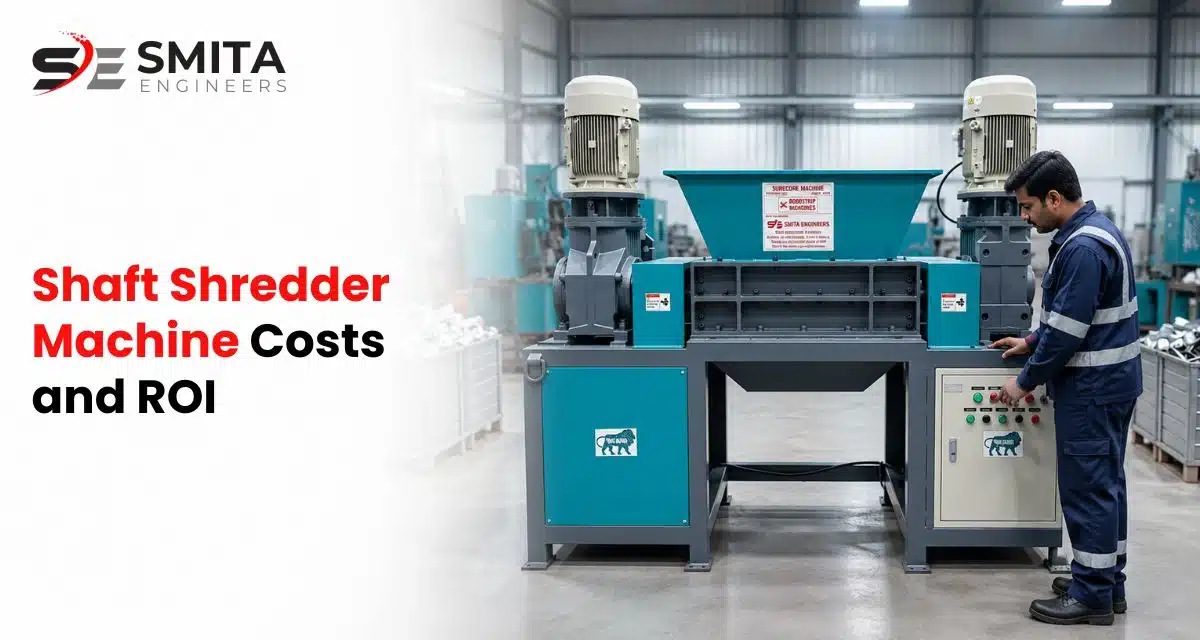
Investing in a Double Shaft Shredder Machine requires more than checking the purchase price. Businesses must also consider installation, electricity, maintenance, labour, and the financial benefits the machine can deliver over time. These costs determine whether the equipment is a worthwhile investment for a scrap processing operation.
Understanding the total investment, calculating Return on Investment (ROI), and estimating the payback period can help buyers make a more informed purchasing decision.
1. Understand the Initial Machine Cost
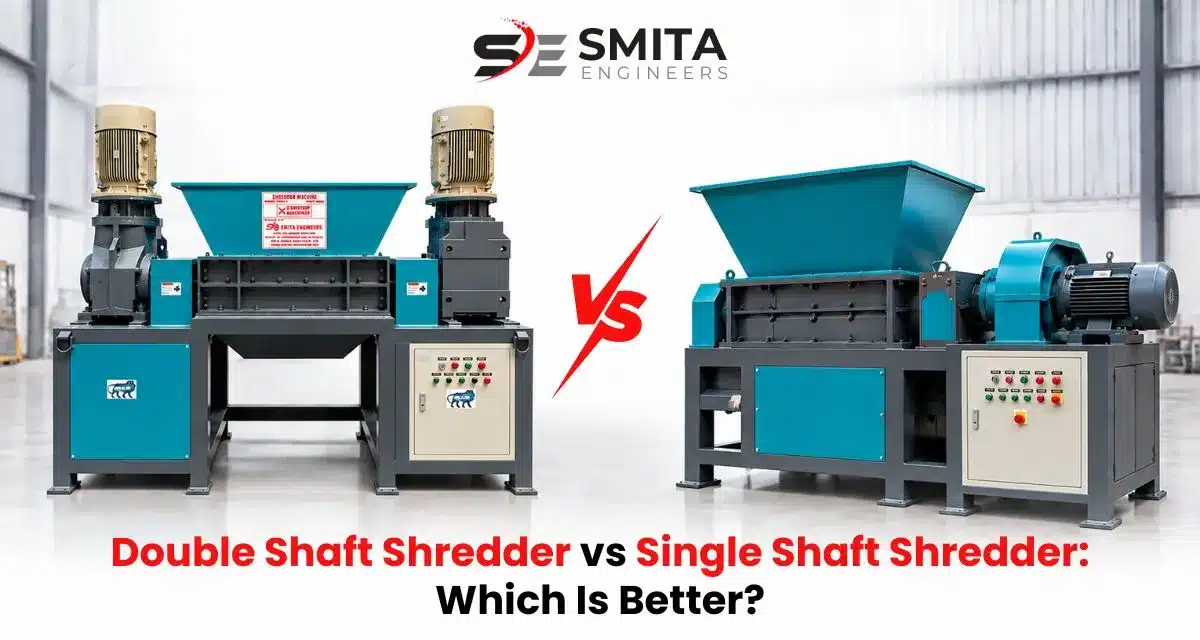
The purchase price depends on the machine’s configuration, motor power, gearbox, blade design, construction, and intended application. For example, Smita Engineers lists its SE30 Double Shaft Shredder Machine at ₹22,00,000.
The SE30 features two 15 HP Crompton Greaves motors, 29 blades, a maximum input torque of 25,000 Nm, and a low operating speed of 16 RPM. These specifications help buyers understand the machine’s configuration, but suitability must still be assessed against the material being processed.
When comparing double shaft shredder prices, confirm the final quotation, applicable taxes, freight, installation, and included services rather than comparing purchase prices alone.
2. Calculate the Total Investment
The initial investment may include expenses beyond the machine itself. Depending on the purchase and installation arrangements, buyers may need to budget for transportation, unloading, electrical connections, commissioning, and site preparation.
A realistic budget should distinguish between confirmed charges and costs that still need to be verified with the supplier.
| Cost component | What to consider |
| Machine purchase | Model, configuration, and included components |
| Transportation and installation | Freight, unloading, and commissioning |
| Electrical setup | Connections and site requirements |
| Initial maintenance supplies | Lubricants and recommended spare parts |
| Operating expenses | Power, labour, servicing, and wear parts |
Calculating these expenses gives you the total investment needed to put the Double Shaft Shredder Machine into operation.
3. Estimate Operating and Maintenance Costs
Once the machine is running, electricity, labour, lubrication, inspections, blade servicing, replacement parts, and downtime can influence profitability.
The SE30 uses two 15 HP motors, giving it a combined rated motor power of 30 HP. Actual electricity consumption depends on the operating load, running hours, motor efficiency, and material being processed. Ask the supplier about expected power consumption under your working conditions.
The shredder operating cost should also account for regular servicing and wear components. Likewise, estimating the shredder maintenance cost helps you prepare for blade care, gearbox servicing, and unplanned repairs.
Regular maintenance can help reduce avoidable breakdowns, but maintenance expenses should still be included in financial projections.
Considering a Double Shaft Shredder Machine? Contact us to discuss your requirements and evaluate costs, savings, and potential ROI.
4. Identify How the Machine Can Generate Financial Benefits
A shredder can create value by reducing bulky scrap, improving material handling, and preparing materials for subsequent processing. A Double Shaft Shredder Machine can help businesses process suitable scrap in-house, potentially reducing outsourcing expenses, manual handling costs, and production delays.
However, these benefits depend on the actual application. A machine does not automatically generate savings simply because it has a high motor rating or substantial torque.
Before purchasing, compare your existing processing expenses with the expected cost of operating the machine in-house. Include only realistic savings and additional contributions that your business can measure.
5. Calculate Return on Investment and Payback Period
Return on Investment (ROI) measures the financial return relative to the total investment. For a shredder, use the net annual benefit after accounting for additional operating costs.
ROI (%) = (Annual Net Benefit ÷ Total Investment) × 100
The payback period is different: it estimates how long the net financial benefit takes to recover the initial investment.
Payback Period (Months) = Total Investment ÷ Net Monthly Benefit
Hypothetical ROI Example
Suppose a business estimates the following figures for a scrap processing operation:
- Total initial investment: ₹24,00,000
- Monthly measurable savings and additional contribution: ₹2,00,000
- Additional monthly operating expenses: ₹80,000
- Net monthly benefit: ₹1,20,000
The annual net benefit would be ₹14,40,000 if these figures remained consistent for 12 months.
Annual ROI: ₹14,40,000 ÷ ₹24,00,000 × 100 = 60%
Estimated payback period: ₹24,00,000 ÷ ₹1,20,000 = 20 months
These figures are illustrative, not actual SE30 performance or a guaranteed return. The example excludes financing costs, taxes, depreciation, and changes in operating conditions.
6. What Can Affect the Actual ROI?
The financial result depends on how consistently the machine is used and how well it suits the application.
Before investing in an industrial shredder, evaluate your available scrap supply, material compatibility, expected processing volume, operating hours, electricity costs, maintenance requirements, and downstream processing needs. A machine that is poorly matched to the material may experience avoidable downtime or fail to deliver the expected productivity.
It is also sensible to calculate a conservative scenario with lower material volume, higher maintenance expenses, or unexpected downtime. This reveals whether the investment remains practical when operating conditions are less favourable.
Make Your Investment Decision Carefully
A Double Shaft Shredder Machine should be evaluated based on its full ownership cost and realistic financial benefits, not just its purchase price. Comparing supplier quotations, estimating monthly operating expenses, and calculating ROI can help you judge whether the investment fits your business.
Contact Smita Engineers to discuss your scrap type, processing requirements, and suitable shredder configuration before making your investment.
Frequently Asked Questions
What is the listed price of the SE30 Double Shaft Shredder Machine?
Smita Engineers lists the SE30 at ₹22,00,000. Confirm the final quotation, applicable charges, and included services directly with the supplier.
What costs should I include when purchasing a shredder?
Consider the machine price, transportation, installation, electrical setup, electricity, labour, lubrication, maintenance, spare parts, and possible downtime.
How is ROI calculated for a shredder machine?
Divide the annual net financial benefit by the total investment and multiply by 100. Use realistic savings and additional contributions after operating expenses.
What is the difference between ROI and payback period?
ROI measures the financial return relative to the investment, while the payback period estimates how long it takes for net financial benefits to recover the initial cost.
How can I improve the financial return from a shredder?
Match the machine to your material, maintain a reliable scrap supply, plan preventive maintenance, track operating expenses, and monitor measurable savings and productivity.
Conclusion
Evaluating the cost of a Double Shaft Shredder Machine requires a complete view of the purchase price, setup expenses, operating costs, maintenance, and potential financial benefits. Calculating Return on Investment and the payback period using realistic figures can help businesses assess whether the machine is a financially sensible choice over the long term.
Related Posts