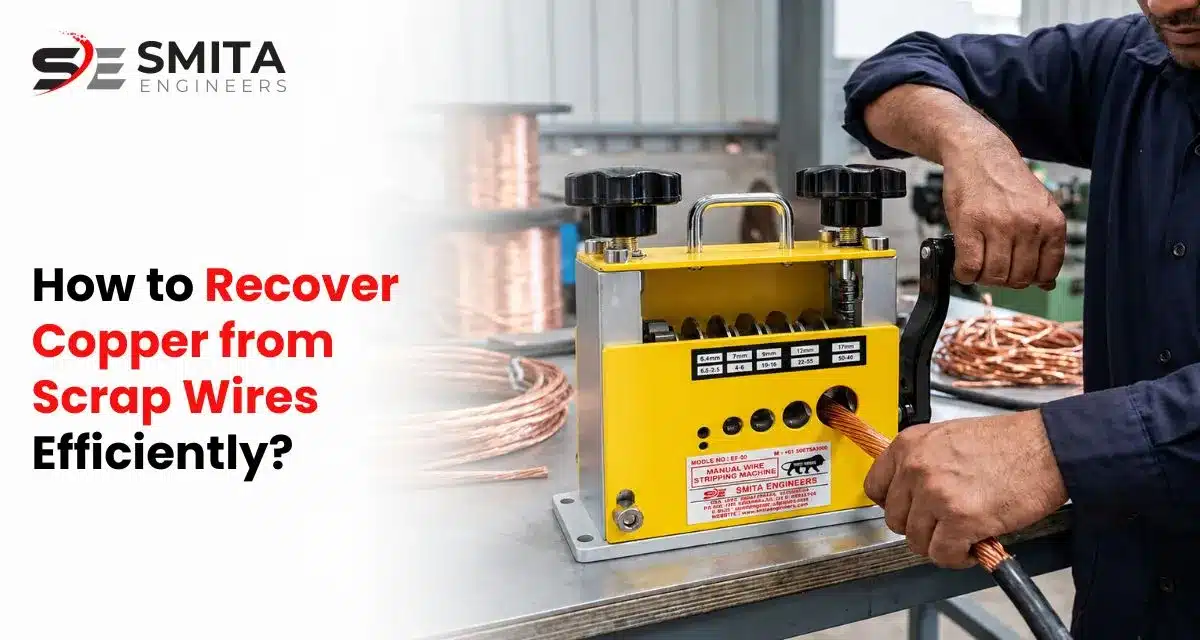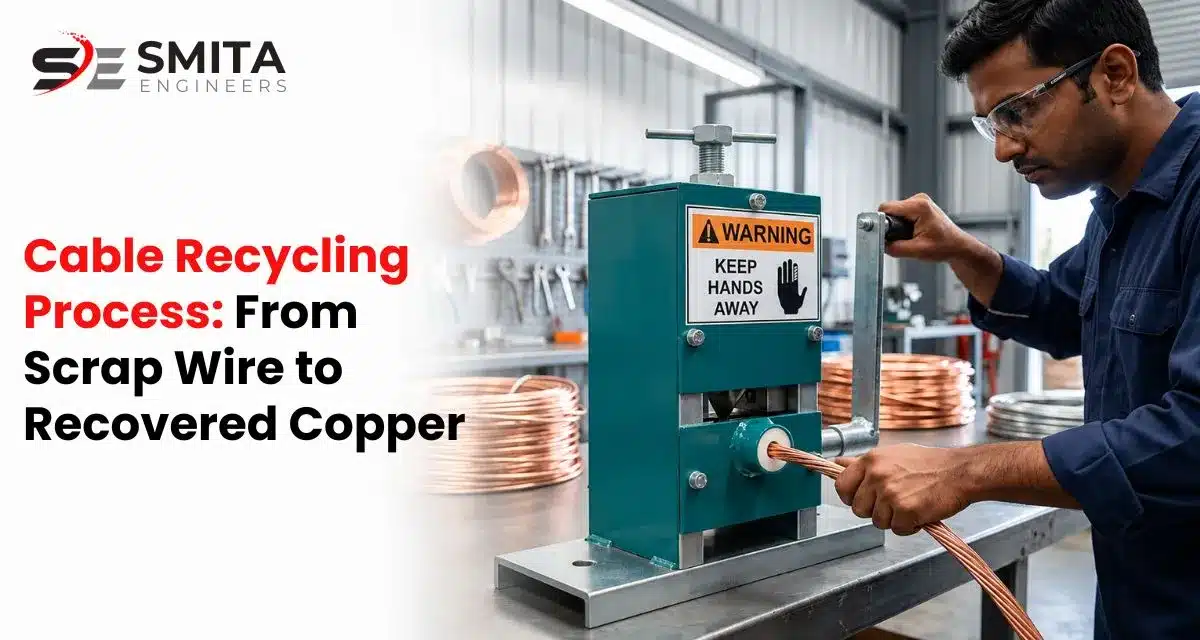
Scrap electrical wires contain valuable copper that can be recovered and reused instead of being…
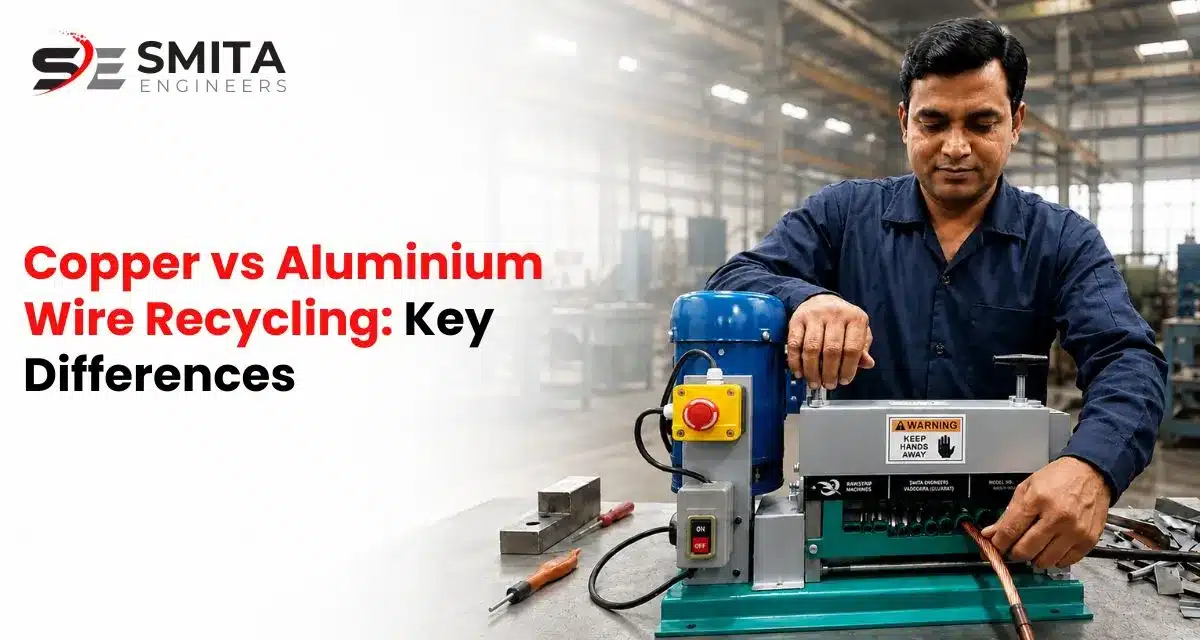
Copper and aluminium wires are widely used in electrical systems, but recycling them requires different handling and processing considerations. Their material properties, market value, insulation, and separation requirements influence how scrap wires should be processed.
Understanding the differences between Copper Wire Recycling and aluminium wire recycling helps recycling businesses choose suitable equipment, manage scrap more effectively, and recover reusable metal with less avoidable material loss.
1. Material Value and Recycling Potential
Copper generally has a higher market value per unit of weight than aluminium. This makes copper-bearing scrap particularly valuable, although actual returns depend on market prices, metal content, contamination, and processing costs.
Aluminium is lighter and usually has a lower value per kilogram, but its lower weight can make it easier to handle in large volumes. Both metals can be recycled and reused, making proper collection and separation important for commercial recycling operations. Selecting suitable wire recycling equipment can help businesses process both materials efficiently while reducing avoidable metal loss.
2. Differences in Wire Processing
Copper and aluminium wires may both have plastic or rubber insulation, but their physical properties affect how they should be handled during processing.
- Copper wires: Copper is relatively dense and ductile. Suitable wires can be processed using mechanical stripping or granulation, depending on wire diameter and insulation type.
- Aluminium wires: Aluminium is lighter and has different mechanical properties. Processing equipment must be appropriate for the wire construction to avoid inefficient feeding or unnecessary material loss.
For recyclers handling both materials, Copper Wire Recycling may involve equipment settings and handling practices that differ from those used for aluminium. The correct approach depends on the specific wire scrap rather than the metal name alone.
3. Stripping vs Granulation
Wire stripping and granulation are two common methods for separating metal from insulation. The most suitable method depends on wire thickness, scrap volume, and the desired processing output.
Wire stripping removes insulation mechanically and can be useful for suitable individual wires or cables. Granulation processes compatible scrap into smaller pieces and separates metal from insulation through a processing and separation system.
For both copper and aluminium, stripping may suit selected cable sizes, while granulation can be practical for mixed quantities of compatible scrap wires. However, not every machine handles every wire type equally well, so check the manufacturer’s specifications before choosing equipment. Selecting the right equipment for scrap cable processing helps businesses handle different wire types efficiently and achieve consistent metal separation.
4. Copper vs Aluminium Wire Recycling: Key Differences
| Factor | Copper Wire Recycling | Aluminium Wire Recycling |
| Material value | Generally higher per kilogram | Generally lower per kilogram |
| Weight | Denser and heavier | Lighter |
| Common processing methods | Mechanical stripping or granulation | Mechanical stripping or granulation |
| Equipment selection | Depends on wire size, insulation, and volume | Depends on wire size, insulation, and volume |
| Handling considerations | Account for wire thickness and construction | Account for lighter material and wire construction |
| Recovery priority | Minimise valuable copper loss | Minimise aluminium loss and contamination |
Both metals require appropriate separation and careful material handling. Actual recovery results depend on scrap quality, equipment design, operating conditions, and the efficiency of the separation process.
Looking to improve your wire recycling process? Contact us to discuss your scrap type, processing volume, and suitable equipment.
5. Choosing the Right Recycling Equipment
Before purchasing recycling equipment, assess the wire diameters you process, insulation materials, daily throughput, and whether the incoming scrap contains one metal or a mixture.
A suitable wire stripping machine can process compatible cables without requiring the same workflow as a granulator. For larger or mixed batches of suitable wire scrap, granulation may offer a more practical approach.
Businesses handling both metals should verify machine compatibility instead of assuming one setup will deliver the same results for every material. Proper sorting and routine maintenance also help reduce downtime and improve consistency.
Improve Your Wire Recycling Process
Choosing the right processing method can help your business recover reusable metal while controlling material loss and operating costs. Aluminium Wire Recycling and copper processing both benefit from proper sorting, suitable equipment, and regular maintenance.
Frequently Asked Questions
What is the main difference between copper and aluminium wire recycling?
The main differences involve material value, weight, and physical properties. Both metals can be recovered through stripping or granulation, depending on the wire construction and equipment.
Is copper wire worth more than aluminium wire?
Copper generally has a higher market value per kilogram than aluminium. However, actual returns depend on current prices, scrap quality, recoverable metal content, and processing costs.
Can the same machine recycle copper and aluminium wires?
Some machines can process both materials, but compatibility depends on wire diameter, insulation, machine design, and operating specifications. Always confirm suitability with the manufacturer.
Is wire stripping better than granulation?
Neither method is always better. Stripping suits certain individual wires and cable sizes, while granulation can be useful for processing larger batches of compatible scrap.
How can recyclers reduce metal loss during wire recycling?
Sort scrap by material and wire type, use suitable equipment, follow operating guidelines, and maintain cutting and separation components regularly.
Conclusion
Copper and aluminium wire recycling share similar goals, but differences in material value, weight, and handling requirements influence equipment selection and processing decisions. By assessing scrap quality, selecting an appropriate stripping or granulation method, and maintaining equipment properly, businesses can improve recovery consistency and make better use of recyclable materials. Choosing suitable equipment for Copper Wire Recycling and aluminium processing also helps businesses handle scrap efficiently and recover reusable metals with less avoidable material loss.
Related Posts