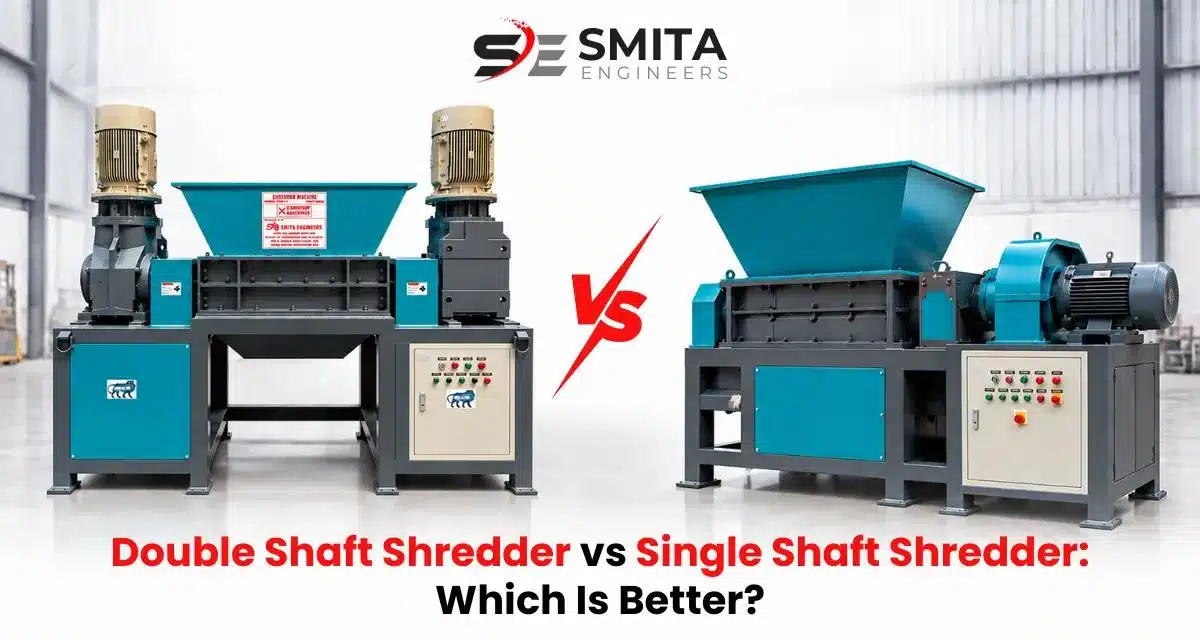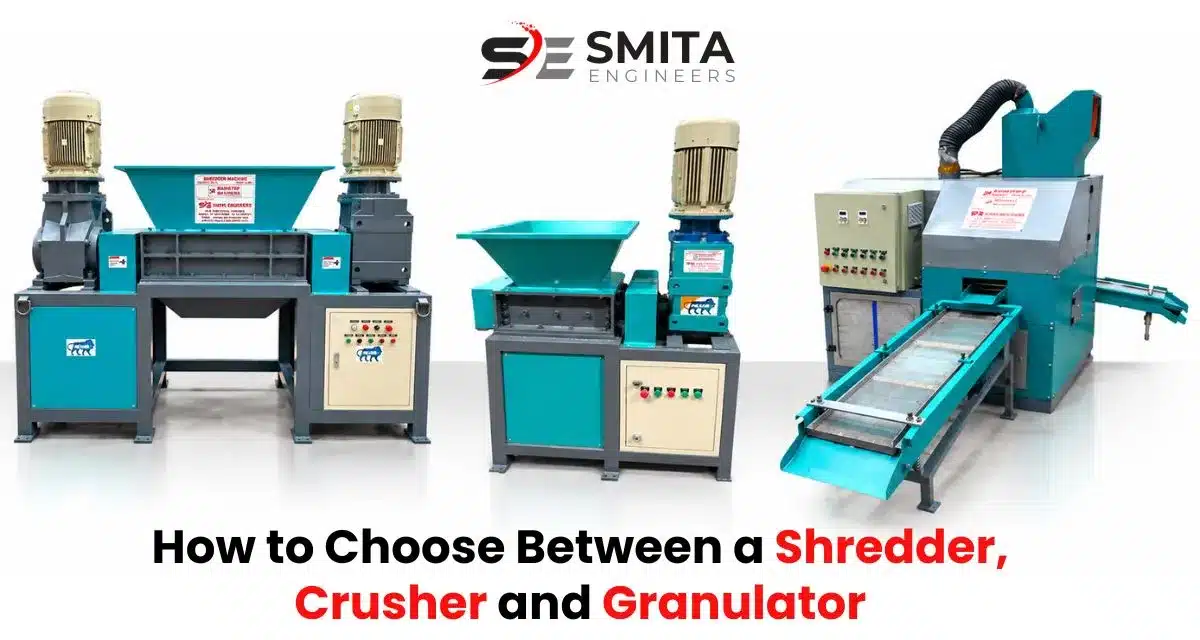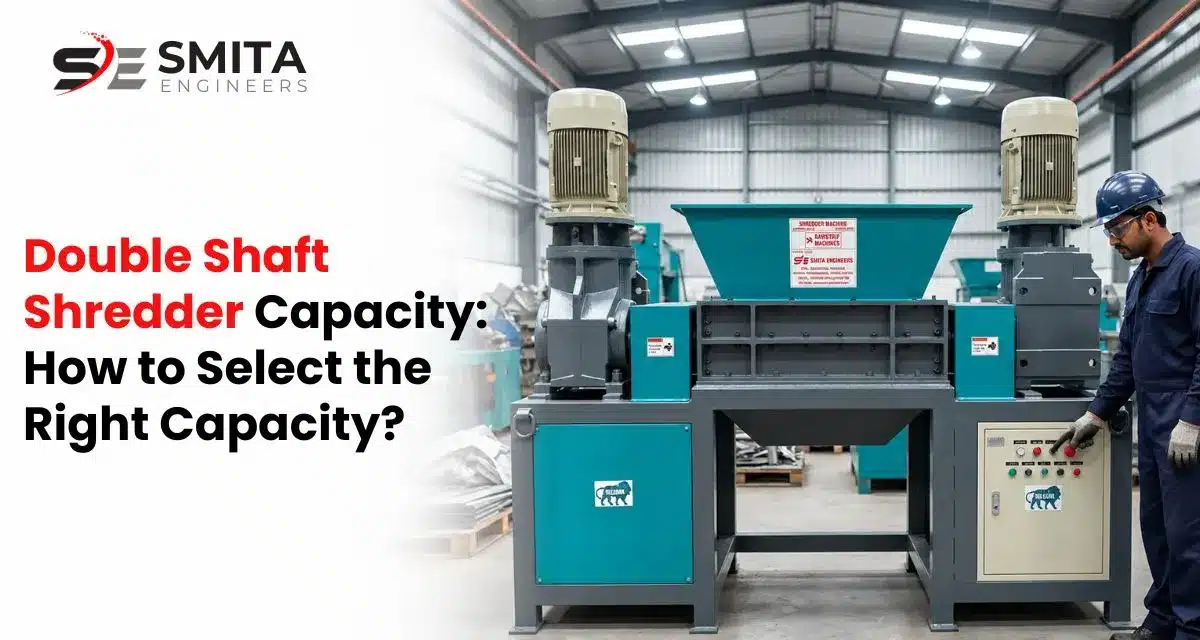
Choosing between a Double Shaft Shredder Machine and a single shaft shredder Machine depends on…
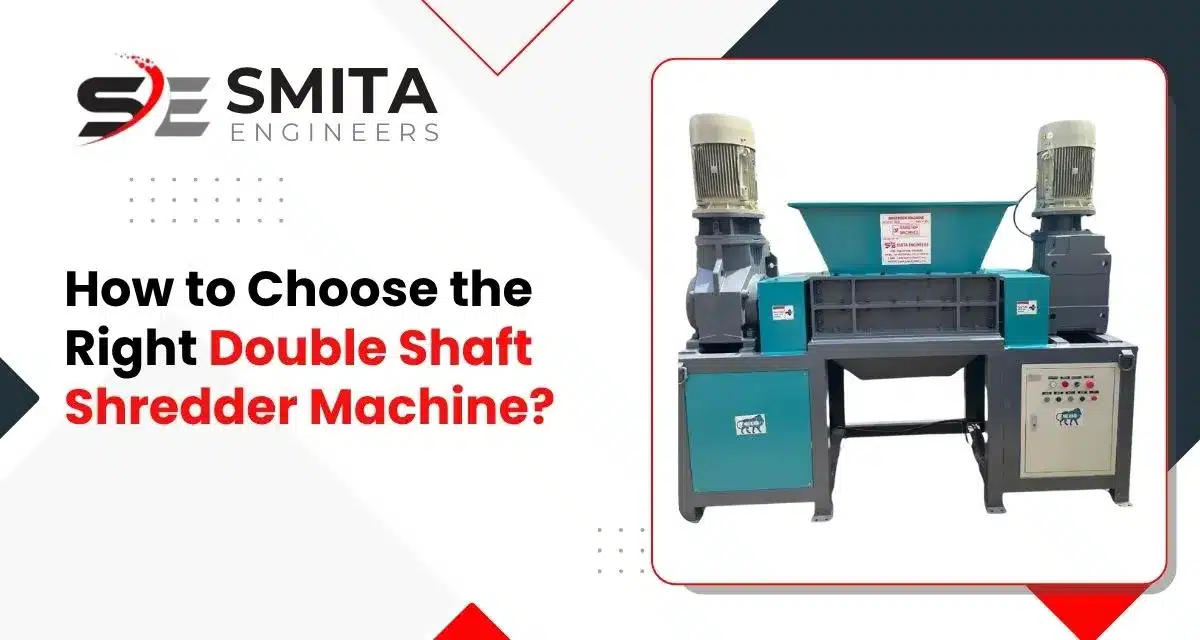
Selecting the right double shaft shredder machine is one of the most important decisions for businesses involved in recycling, waste management, manufacturing, and industrial material processing. A shredder that matches your operational requirements can improve productivity, reduce maintenance costs, and deliver consistent shredding performance over the long term. On the other hand, choosing equipment based solely on price or capacity may lead to frequent breakdowns, lower efficiency, and higher operating expenses.
Every recycling operation has unique processing requirements depending on the type of material, production volume, and desired output size. Understanding the key factors that influence machine selection helps businesses invest in equipment that supports their current operations while allowing room for future growth.
Understand Your Material Processing Requirements
Before selecting industrial shredding equipment, businesses should clearly identify the type of materials they intend to process. Different materials place different levels of stress on blades, shafts, and drive systems, making it essential to choose a machine designed for the intended application.
The volume of material processed each day also affects the required motor power, torque, and machine size. Planning these requirements in advance helps improve productivity while reducing unnecessary operating costs.
Consider the following before making a purchase:
- Type of material to be shredded
- Daily processing capacity
- Material density and hardness
- Desired output size
- Future production requirements
- Continuous or batch operation
Evaluating these factors ensures a double shaft shredder machine is selected according to actual production needs rather than estimated requirements.
Evaluate Machine Capacity and Motor Power
Machine capacity directly affects production efficiency and operational costs. Purchasing equipment with insufficient capacity may create production bottlenecks, while oversized machinery can increase energy consumption without delivering additional value.
Motor power should always match the materials being processed. Heavy-duty applications often require higher torque to handle bulky or dense materials efficiently without placing excessive stress on machine components.
When comparing equipment, review:
- Processing capacity
- Motor power
- Output consistency
- Torque rating
- Energy efficiency
- Operational speed
- Production requirements
Matching capacity with operational demand helps a double shaft shredder machine deliver reliable performance while supporting efficient industrial operations.
Examine Blade Quality and Cutting Performance
The cutting system is one of the most important components of any industrial shredder. Blade quality determines shredding efficiency, processing consistency, maintenance frequency, and overall machine lifespan. High-quality blades reduce wear while improving cutting accuracy across different material types.
Businesses should also consider blade configuration, material hardness, and replacement availability before finalizing their investment.
Important blade-related factors include:
- Blade material
- Wear resistance
- Cutting efficiency
- Blade thickness
- Replacement availability
- Maintenance requirements
- Compatibility with processed materials
Investing in durable cutting components allows a double shaft shredder machine to maintain stable performance under demanding industrial workloads.
Technical Specifications
| Model | Motor Power | Blade Quantity | Max Torque | Speed | Hopper Size | Crushing Area | Machine Weight | Approx. Price |
| SE30 Double Shaft Shredder Machine | 30 HP (15 HP + 15 HP) | 29 Blades | 25,000 Nm | 16 RPM | — | — | 1800 kg | ₹22,00,000* |
| SE40 Double Shaft Shredder Machine | 40 HP (20 HP + 20 HP) | 29 Blades | 25,000 Nm | 16 RPM | 1000 × 800 × 500 mm | 750 × 550 mm | 2000 kg | ₹24,00,000* |
*Approximate price. Taxes, freight, and installation may vary.
Consider Build Quality and Machine Construction
Industrial shredders operate under continuous mechanical stress, making robust construction essential for long-term reliability. A heavy-duty frame, precision-engineered shafts, and durable gearbox contribute significantly to stable operation and reduced maintenance requirements.
Machine construction should also support easy servicing, operator safety, and consistent performance throughout extended production cycles.
Look for features such as:
- Heavy-duty steel construction
- Strong gearbox assembly
- Durable shafts
- Reinforced frame
- High-quality bearings
- Stable machine base
- Corrosion-resistant finish
A well-built double shaft shredder machine provides dependable performance while reducing downtime in demanding industrial environments.
Check Safety Features and Ease of Operation
Operator safety should always be considered during equipment selection. Modern industrial shredders include several built-in safety features that help protect both personnel and machinery during operation.
Simple controls, emergency stop systems, overload protection, and accessible maintenance points improve usability while reducing workplace risks.
Useful safety features include:
- Emergency stop buttons
- Overload protection
- Safety guards
- User-friendly control panel
- Electrical protection systems
- Accessible inspection points
- Stable feeding arrangement
Selecting equipment with comprehensive safety features helps ensure a double shaft shredder machine operates efficiently while maintaining a safer workplace.
Looking for the right double shaft shredder machine for your recycling operation? Contact Us today for reliable, high-performance industrial shredding solutions tailored to your processing needs.
Evaluate Maintenance and After-Sales Support
Reliable after-sales support is an important consideration when purchasing industrial machinery. Even well-designed equipment requires routine servicing, spare parts, and technical assistance throughout its operational life.
Before choosing a manufacturer, businesses should confirm the availability of replacement components, maintenance guidance, warranty coverage, and technical support. These services help reduce downtime and ensure uninterrupted production.
Important factors include:
- Spare parts availability
- Technical support
- Preventive maintenance guidance
- Warranty coverage
- Installation assistance
- Operator training
- Service response time
Choosing a manufacturer that offers dependable support ensures a double shaft shredder machine continues to perform efficiently while minimizing long-term maintenance challenges.
Compare Features and Long-Term Value
While price is an important consideration, businesses should evaluate the overall value a machine offers throughout its operational life. A lower-priced machine may appear attractive initially, but higher maintenance costs, lower productivity, or limited support can increase the total cost of ownership over time. Investing in durable equipment with reliable components often delivers better returns through consistent performance and reduced downtime.
Before making a final decision, compare machines based on:
- Processing capacity
- Motor efficiency
- Build quality
- Blade durability
- Energy consumption
- Maintenance requirements
- Spare parts availability
- Warranty and technical support
Taking a comprehensive approach helps businesses choose a double shaft shredder machine that delivers dependable performance, supports future production growth, and provides long-term operational value.
Frequently Asked Questions
What factors should I consider before buying a double shaft shredder machine?
You should evaluate the material type, processing capacity, motor power, blade quality, machine construction, safety features, maintenance requirements, and after-sales support before making a purchase.
How do I determine the right machine capacity?
The ideal capacity depends on your daily processing volume, material characteristics, and future production requirements. Choosing the correct capacity helps improve efficiency while avoiding unnecessary operating costs.
Why is blade quality important in a shredder?
High-quality blades provide better cutting performance, reduce wear, improve processing efficiency, and extend the machine’s service life with lower maintenance requirements.
What safety features should a double shaft shredder machine have?
Important safety features include emergency stop buttons, overload protection, safety guards, user-friendly controls, and accessible maintenance points to ensure safe operation.
How important is after-sales support when purchasing industrial machinery?
Reliable after-sales support ensures access to spare parts, technical guidance, maintenance assistance, warranty services, and operator training, helping reduce downtime and improve machine longevity.
Conclusion
Choosing the right double shaft shredder machine requires careful evaluation of material requirements, processing capacity, machine construction, safety features, maintenance needs, and long-term operating costs. Investing in equipment that matches your production goals helps improve efficiency, reduce downtime, and maximize return on investment. By comparing technical specifications and selecting a trusted manufacturer with reliable support, businesses can ensure consistent shredding performance and dependable industrial operations for years to come.
Related Posts