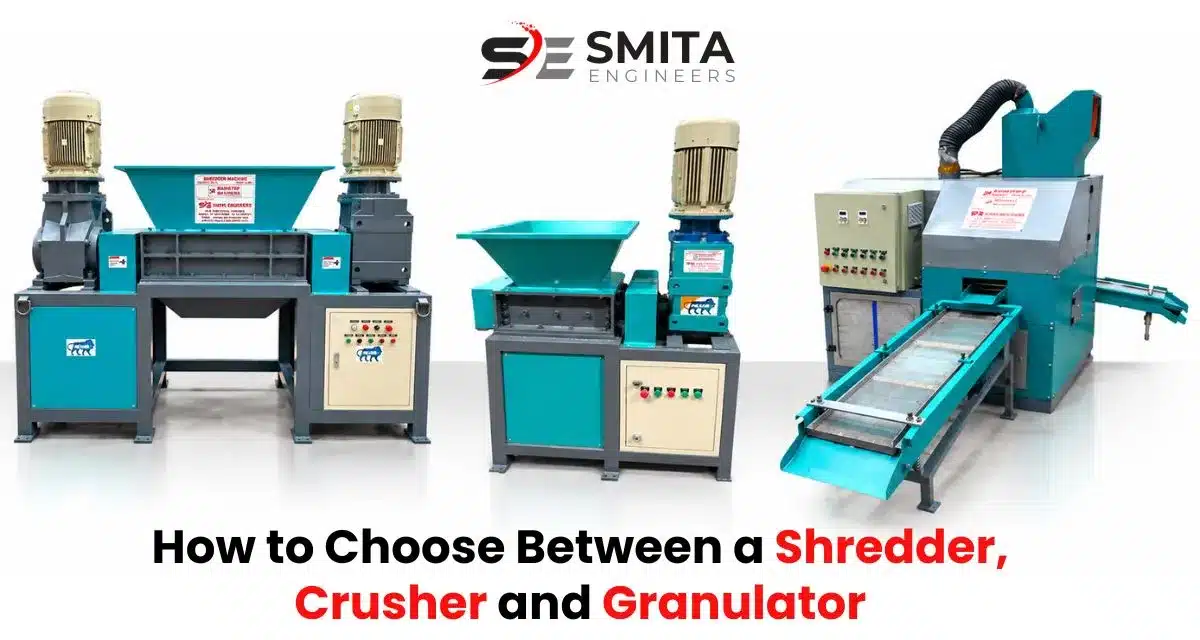
Choosing the right size-reduction equipment can make a major difference in scrap processing. A Shredder,…
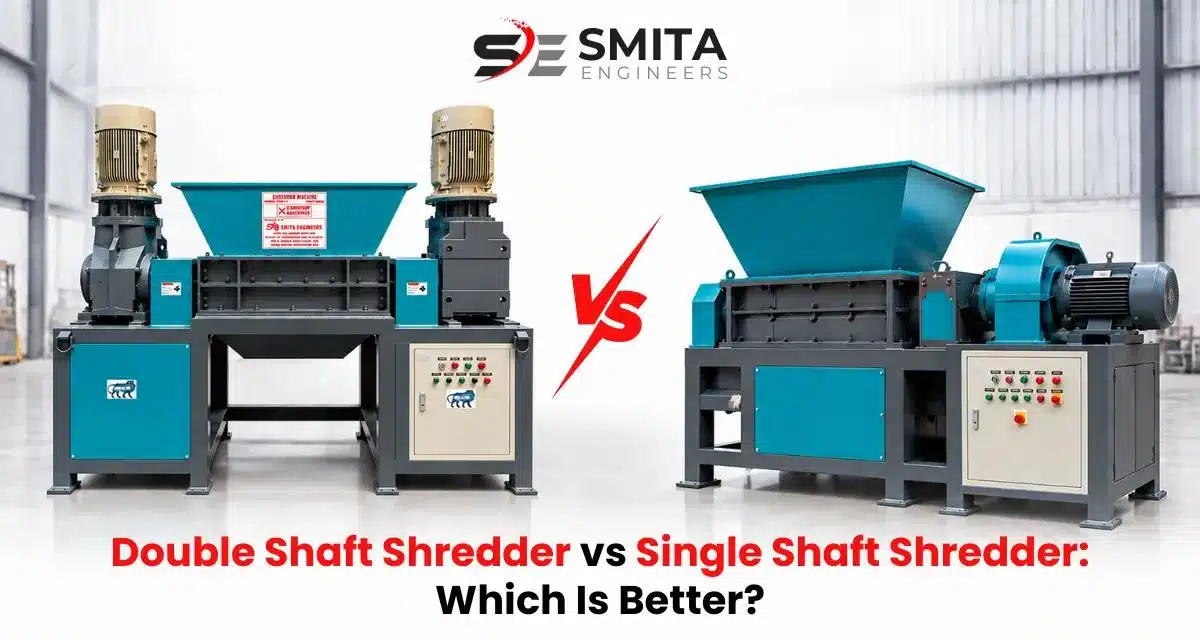
Choosing between a Double Shaft Shredder Machine and a single shaft shredder Machine depends on the material you process, the output you need, and how the machine fits into your overall operation. Both machines reduce material size, but they do it differently.
So, rather than asking which one is better in general, it is more useful to understand which machine is better suited to your application. The difference becomes clearer when you compare their working method, material handling, output, and operating requirements.
How Do Single Shaft and Double Shaft Shredders Work?
A single shaft shredder Machine uses one rotating cutter rotor that works against fixed blades. A screen is positioned below the cutting chamber, so material is processed repeatedly until it becomes small enough to pass through the openings. This makes a single shaft shredder machine useful when more controlled output sizing is required.
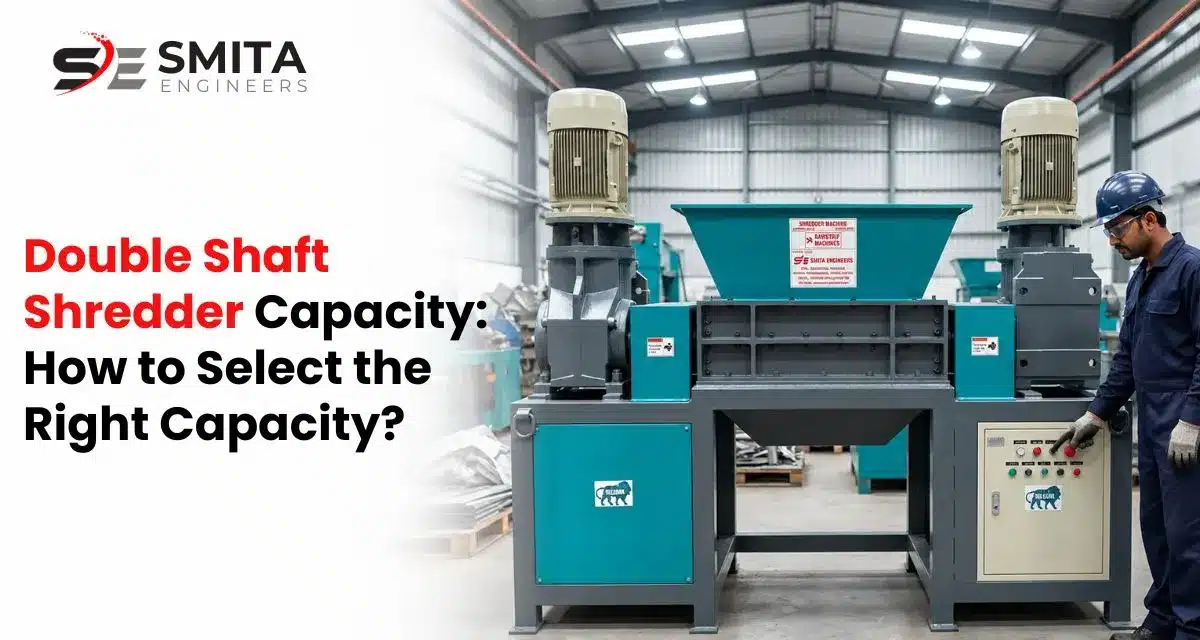
A Double Shaft Shredder Machine uses two counter-rotating shafts with interlocking blades. Instead of relying on repeated screening for final sizing, the blades pull, tear, and shear the material as it moves through the chamber. This working method is particularly useful for initial size reduction of bulky or difficult materials.
Which Machine Handles Different Materials Better?
Material type is one of the most important factors in the comparison. Single shaft shredders are generally suited to lighter and more resilient materials such as plastic films, woven bags, plastic bottles, waste paper, wooden pallets, and rubber scraps.
A double shaft scrap shredder is more suitable for bulky, thick, hard, or mixed materials such as car bumpers, appliance casings, metal cans, construction waste containing nails, bulky waste, and waste tires.
There is an important point to remember: material compatibility depends on the machine design. A machine should always be selected according to the actual material you intend to process.
Which One Gives Better Output Size Control?
Output requirements can make the choice much easier. A single shaft shredder uses a screen to control the material that leaves the cutting chamber. Because of this, it can produce a more uniform and controlled output. The comparison source gives a typical range of around 20–120 mm.
A Double Shaft Shredder Machine generally produces a coarser and more variable output because it does not use the same screen-based sizing approach. The source gives a typical range of around 30–300 mm.
Therefore, if controlled particle sizing is the priority, single shaft equipment may be more appropriate. If the main requirement is coarse reduction and volume reduction, a double shaft design may be more suitable.
What About Capacity, Speed and Torque?
Capacity should never be considered separately from the material being processed. The provided comparison information lists single shaft shredders at approximately 0.5–25 tons/hour and dual shaft shredders at approximately 1–60 tons/hour.
The machines also differ in operating characteristics. A single shaft shredder generally works at moderate speed with moderate torque, while a high torque shredder such as a double shaft design operates at lower shaft speed and uses higher torque to handle suitable hard and bulky materials.
These figures are reference ranges. Actual performance depends on material type, feed conditions, machine configuration, and operating conditions.
Which One Should You Choose?
The answer depends on what you expect from the machine.
A single shaft shredder can be a better fit when the application requires more uniform sizing and the incoming material is relatively soft, light, or pre-sorted.
A Double Shaft Shredder Machine can be a better fit when the job involves bulky, tough, or mixed materials and the main goal is coarse shredding and volume reduction.
For some processing lines, both machines can be useful. A coarse shredding machine may first reduce bulky material, followed by another size-reduction stage when the final process requires a smaller and more controlled output.
Need help comparing shredder options? Contact Us to discuss your material, capacity, and processing requirements.
Maintenance and Handling Requirements
Maintenance requirements can also differ between the two designs. A single shaft shredder has a rotor, fixed blades, and a screen, so attention may be needed for the cutting components and screening system. Its screen also plays an important role in controlling the final output.
A Double Shaft Shredder Machine uses two cutter shafts with interlocking blades. Because the machine is intended for coarse reduction of suitable bulky and difficult materials, blade condition and shaft components should be checked regularly.
The material being processed also matters. The provided source notes that single-shaft machines can be vulnerable to hard objects such as metal and stones, while soft materials such as films and ropes can create entanglement issues in dual-shaft machines. This makes proper material selection and operating conditions important for both types.
Consider the Next Stage of Processing
The required downstream process can help determine which shredder is more suitable. When the material needs a relatively uniform and controlled size before another process, the screened output of a single shaft shredder can be useful.
A Double Shaft Shredder Machine is more focused on coarse size reduction and volume reduction. Its output can contain larger and more irregular pieces, which may be suitable as a first-stage process before further size reduction or separation.
In some applications, using both technologies can make sense. A dual-shaft machine can first reduce bulky material, while a single-shaft machine can then provide finer and more controlled sizing for the next processing stage. This approach is particularly relevant when the production line requires both high-volume reduction and tighter output control.
Quick Comparison
| Feature | Single Shaft Shredder | Double Shaft Shredder |
| Working method | One rotor with fixed blades | Two counter-rotating shafts |
| Screen | Used for size control | Generally no screen-based sizing |
| Output | More uniform and controlled | Coarser and more variable |
| Suitable materials | Soft, light and resilient materials | Bulky, hard and mixed materials |
| Main strength | Output-size control | High torque and volume reduction |
Look at Your Actual Processing Requirement
When selecting an industrial shredder machine, do not compare models only by capacity or price. Look at your material type, required output, daily volume, operating hours, and whether the machine will be followed by another processing stage.
For reference, Smita Engineers’ SE06 Double Shaft Shredding Machine is specified at 300–450 kg/hour, with 24 HSS D2 blades, a 5 HP Crompton Greaves motor, and a reverse-forward function. It is specified for plastic, rubber, paper, wood, MS metal, bottles, and aluminium sections.
Frequently Asked Questions
Is a Double Shaft Shredder better than a single shaft shredder?
Neither is universally better. The suitable option depends on material type, required output size, processing volume, and the purpose of the size-reduction stage.
Which shredder is better for bulky materials?
A double shaft design is generally more suitable for bulky, thick, hard, or mixed materials because its counter-rotating shafts provide high torque for coarse reduction.
Which shredder gives more uniform output?
A single shaft shredder generally offers better output-size control because the screen determines the size of material that can pass through.
Can both shredders be used in the same processing line?
Yes. Where an application requires both coarse and finer size reduction, different shredding stages can be combined according to the desired final output.
What should I consider before choosing a shredder?
Consider the material, input size, required output, processing quantity, operating hours, machine configuration, maintenance requirements, and downstream processing needs.
Conclusion
The choice between a Double Shaft Shredder Machine and a single shaft shredder Machine should be based on suitability rather than a simple “better or worse” comparison. Single shaft machines are more focused on controlled sizing, while double shaft machines are suited to coarse reduction of appropriate bulky and tougher materials.
Understanding your material and required output first will make it much easier to select the right shredding equipment.
Related Posts