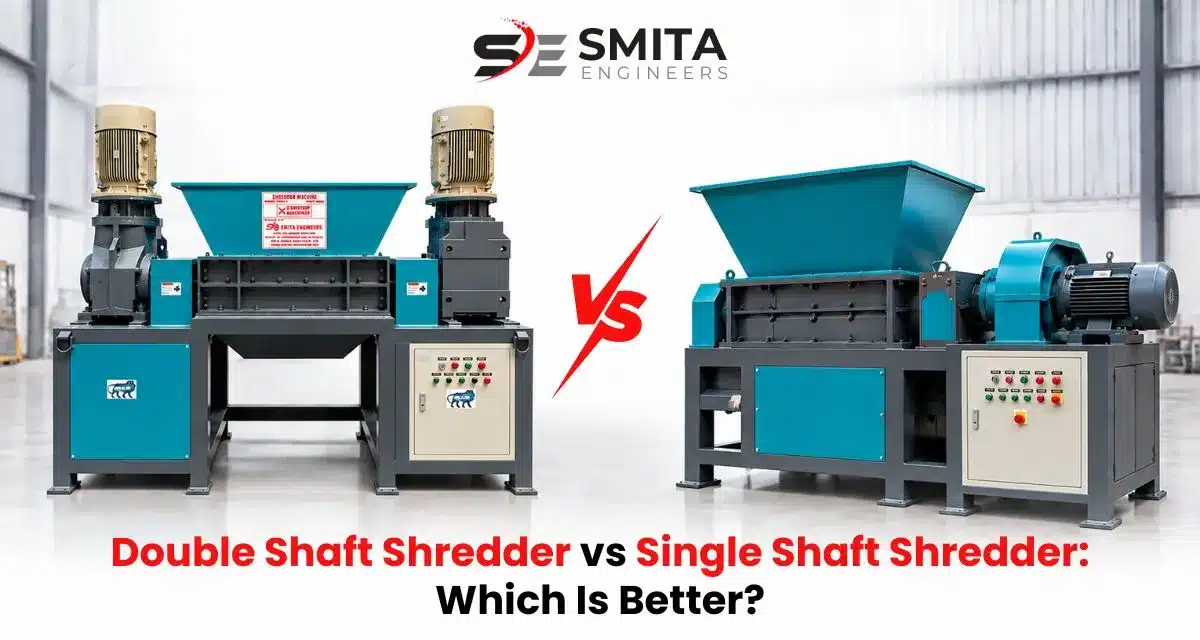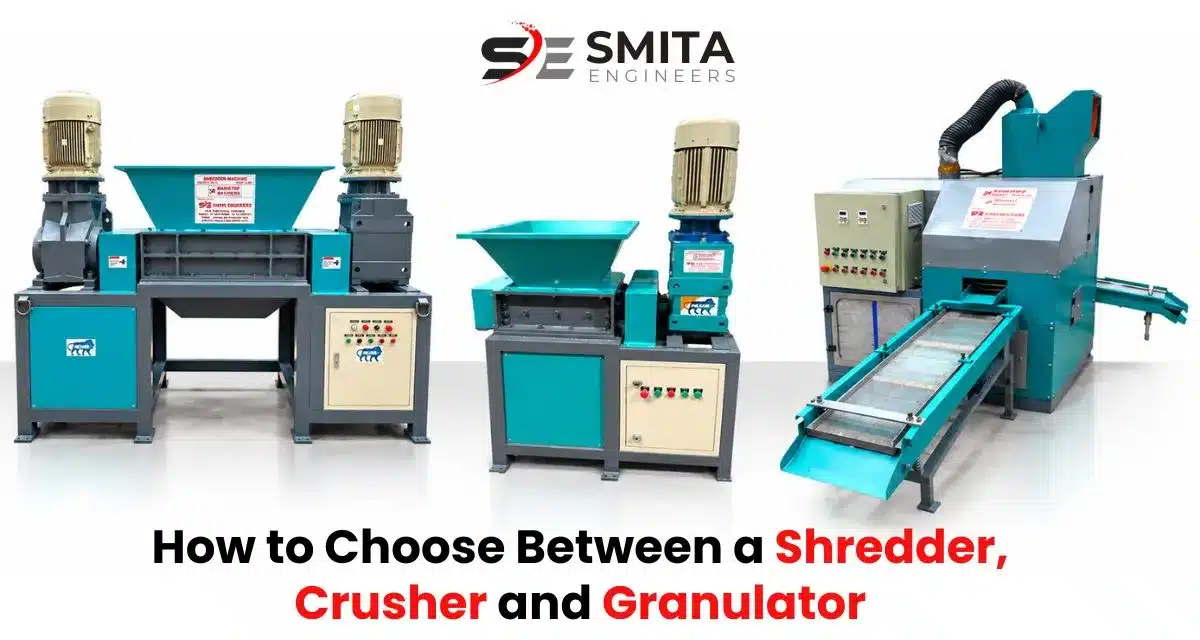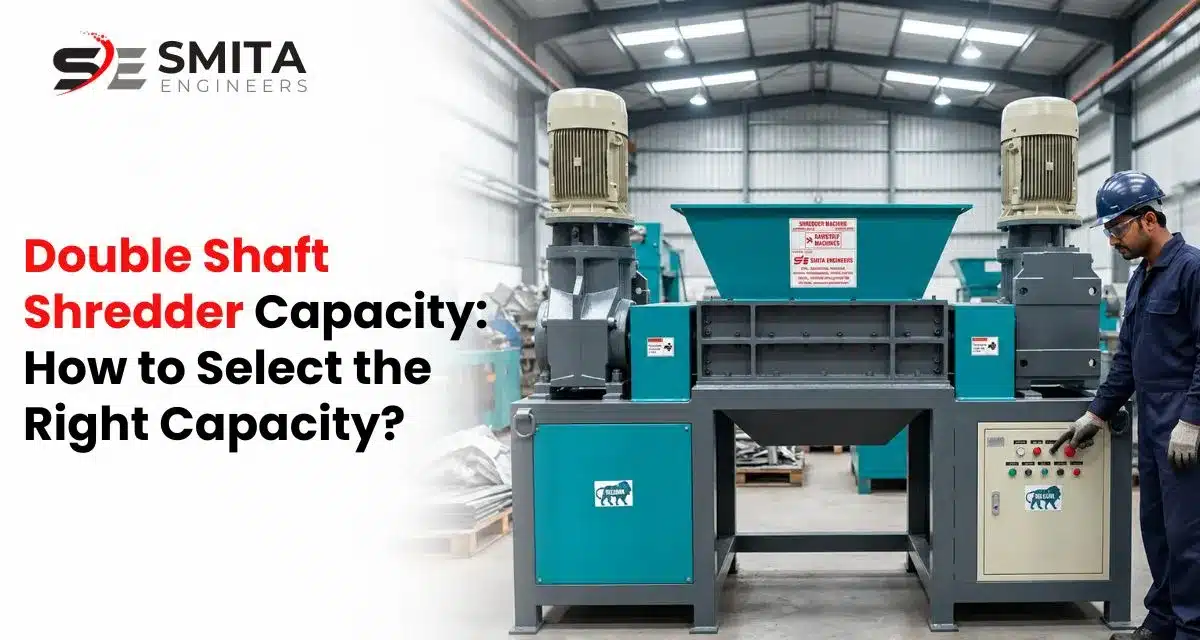
Choosing between a Double Shaft Shredder Machine and a single shaft shredder Machine depends on…
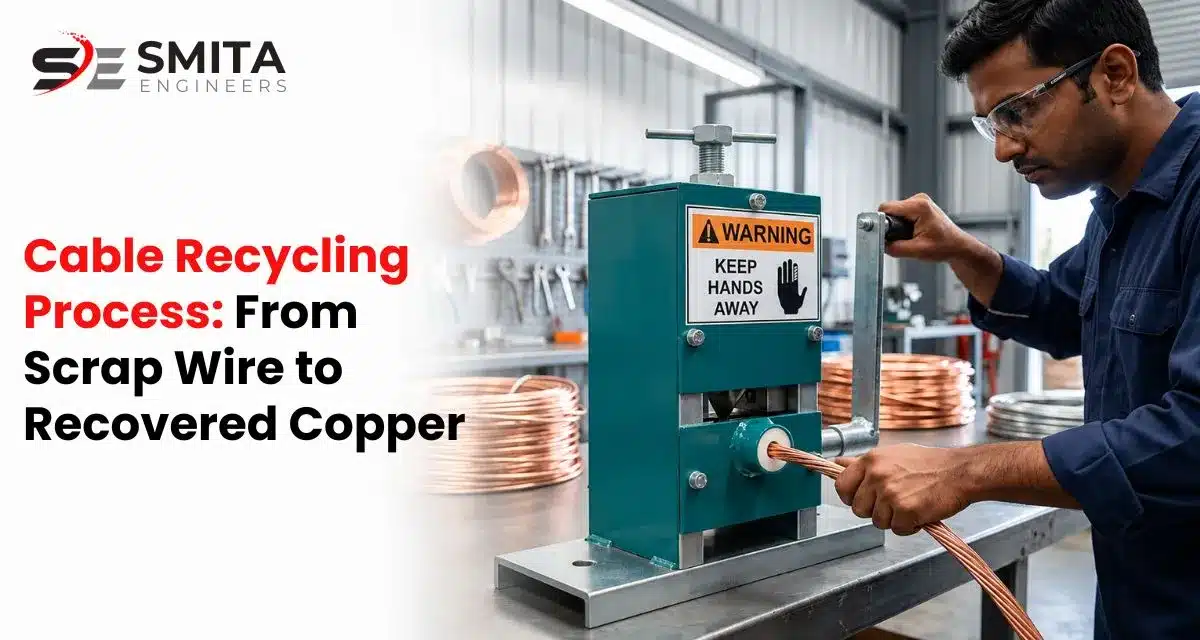
Cable scrap contains valuable copper, but recovering it properly requires more than simply cutting the outer insulation. A typical cable processing operation involves sorting the scrap, removing insulation, processing the exposed material, and collecting the recovered copper.
A Copper Wire Stripping Machine can play an important role in this process, particularly when the cable type and size are suitable for mechanical stripping. Understanding each stage helps businesses choose the right equipment and avoid unnecessary processing losses.
1. Start With Sorting the Scrap Wire
The process begins by sorting the incoming cable scrap according to its type, size, and construction. Different cables can have different insulation thicknesses, conductor sizes, and internal structures.
Separating the material first makes the rest of the process easier to manage. A scrap wire processing machine should be selected only after understanding the cable sizes that will regularly be handled.
Thin wires, thick cables, mixed electrical scrap, and specialised cables may require different processing approaches, so proper identification of the input material is important.
2. Remove the Insulation from Suitable Cables
Once the material is sorted, suitable cables can be fed into a Copper Wire Stripping Machine. The machine cuts through the insulation while keeping the copper conductor intact, allowing the metal to be separated from the outer covering.
This method is particularly useful when dealing with cables that are suitable for mechanical stripping. The wire stripping process can reduce manual effort and make copper recovery faster and more consistent.
For example, Smita Engineers offers different wire stripping models for different cable ranges, so machine selection should be based on the actual wire diameter and expected processing volume.
3. Process Small or Mixed Cable Scrap
Not every type of cable scrap is best handled by stripping. Smaller, insulated, or mixed wires may be processed through granulation, where the cable is cut into smaller particles and the copper is separated from the insulation.
This makes copper wire recycling equipment an important consideration when a business handles different forms of scrap. The right processing method depends on the material rather than using one machine for every cable type.
In practice, some operations may use stripping for suitable larger cables and another processing method for smaller or mixed wire scrap.
Looking to process cable scrap efficiently? Contact us to discuss your wire size, scrap volume, and suitable equipment.
4. Separate and Collect the Recovered Copper
After the insulation has been removed or separated, the recovered copper needs to be collected and kept free from unnecessary contamination. Good material handling at this stage helps maintain the quality of the recovered metal.
A copper recovery machine or suitable downstream separation equipment may be used depending on the processing setup. The goal is to obtain clean, usable copper while reducing the amount of metal left with insulation or other scrap.
The quality of the final output depends on the input material, machine setup, and overall processing method.
5. Choose Equipment According to Your Cable
There is no single cable processing method that fits every recycling operation. Before purchasing a cable stripping machine, consider the wire diameter, insulation type, material volume, required output, available labour, and production schedule.
For a business handling larger quantities of suitable cable scrap, automatic equipment may make more sense than a manual machine. The important point is to match the equipment with the material actually available rather than choosing based only on machine capacity or price.
From Scrap Wire to Recovered Copper
The cable recycling process becomes much more efficient when each stage is planned around the material being handled. Sorting helps identify the right processing method, stripping removes insulation from suitable cables, and further processing can be used where smaller or mixed wire requires it.
A well-selected Copper Wire Stripping Machine can make the insulation-removal stage faster and more practical while helping businesses recover the copper already present in their scrap.
Frequently Asked Questions
What is the first step in processing cable scrap?
The first step is usually sorting the scrap according to cable type, size, construction, and processing suitability.
What does a Copper Wire Stripping Machine do?
It removes insulation from suitable copper wire and cable while leaving the copper conductor available for recovery and further handling.
Can every type of cable be processed with a stripping machine?
No. Suitability depends on cable diameter, construction, insulation, and machine specifications. The input range should be checked before purchase.
What happens to small or mixed wire scrap?
Depending on the material, small or mixed wire scrap may be processed through granulation and separation rather than conventional mechanical stripping.
How should I choose the right wire processing equipment?|
Consider the cable sizes, daily scrap volume, material type, required output, operating hours, and whether the process will involve stripping, granulation, or multiple stages.
Conclusion
Recovering copper from cable scrap involves several steps, and the right method depends on the material being processed. Sorting comes first, followed by insulation removal or size-reduction processing and finally copper separation and collection.
Selecting a Copper Wire Stripping Machine according to your cable size and processing requirements can make the overall scrap-handling process more efficient and easier to manage.
Related Posts