Cable scrap contains valuable copper, but recovering it properly requires more than simply cutting the…
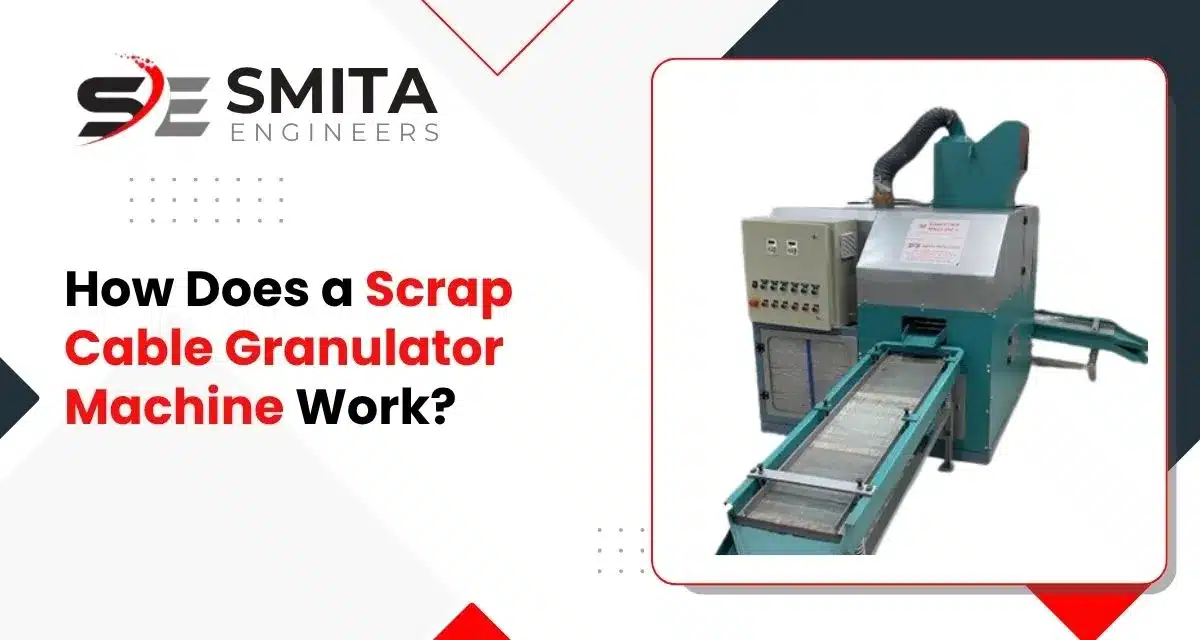
Recycling insulated cables efficiently requires specialized equipment capable of separating valuable metals from non-metallic insulation with minimal material loss. A scrap cable granulator machine is designed to automate this process by cutting, granulating, and separating copper or aluminium from plastic insulation, resulting in high-purity recovered metal suitable for reuse or resale. Compared to manual processing methods, this equipment improves productivity, enhances material recovery, and reduces operational costs.
Whether used in cable recycling facilities, scrap yards, or manufacturing industries, understanding how a cable granulator works helps businesses maximize efficiency and make informed equipment investments. Knowing each stage of the recycling process also enables operators to maintain consistent performance while ensuring safe and reliable machine operation.
Understanding the Working Principle
A cable granulator processes insulated wires through multiple stages, each designed to separate metal conductors from insulation efficiently. Instead of manually stripping cables, the machine uses precision cutting and air separation technology to recover valuable metals with minimal waste.
Each stage is carefully engineered to ensure continuous operation while maintaining high separation accuracy. This automated workflow helps businesses process larger volumes of scrap cables with consistent results.
The basic working process includes:
- Feeding insulated cables
- Cutting cables into smaller pieces
- Granulating the material
- Separating metal and insulation
- Collecting recovered copper or aluminium
- Discharging plastic waste
Following this process allows a scrap cable granulator machine to achieve high recovery rates while improving overall recycling efficiency.
Material Feeding Stage
The recycling process begins by feeding insulated cables into the machine through the inlet hopper. Operators should ensure that cables are free from oversized contaminants that could interfere with processing or damage internal components.
Maintaining a consistent feed rate is important for smooth machine operation. Overloading the hopper may reduce processing efficiency, while underfeeding can affect productivity.
During this stage, operators should:
- Remove oversized contaminants
- Feed cables evenly
- Avoid overloading the hopper
- Inspect incoming material
- Follow recommended cable sizes
- Monitor machine operation
Proper feeding practices help a scrap cable granulator machine maintain stable performance and improve material processing consistency.
Cable Cutting and Granulation
Once the material enters the machine, rotating cutting blades reduce the cables into smaller granules. Precision-engineered blades are designed to cut insulation and conductors efficiently while minimizing unnecessary material loss.
Uniform granule size improves the effectiveness of the next separation stage and contributes to higher metal recovery rates. Regular blade inspection also helps maintain consistent cutting performance.
Important factors influencing this stage include:
- Blade sharpness
- Cutting precision
- Material consistency
- Cable diameter
- Feed rate
- Routine blade maintenance
Efficient cutting enables a scrap cable granulator machine to prepare material for accurate separation while maintaining reliable production output.
Metal and Insulation Separation
After granulation, the mixed material enters the separation system, where airflow and gravity work together to separate heavier metal particles from lighter insulation. This stage is critical because the quality of separation directly affects the value of the recovered metal.
Advanced separation systems help achieve cleaner output while reducing contamination between copper, aluminium, and insulation materials.
Benefits of efficient separation include:
- High-purity metal recovery
- Reduced material contamination
- Improved recycling value
- Consistent output quality
- Lower processing losses
- Better operational efficiency
The separation stage enables a scrap cable granulator machine to produce clean, reusable metal suitable for industrial recycling applications.
Collection and Final Output
Once separation is complete, recovered metals and insulation are discharged into separate collection areas. Clean copper or aluminium can then be prepared for resale, further processing, or manufacturing applications, while insulation waste can be managed through appropriate recycling or disposal methods.
Proper collection systems also simplify material handling and improve workplace organization. Regular monitoring of the output helps ensure that the machine continues to deliver consistent separation performance.
Key advantages of the final output stage include:
- Clean metal collection
- Easy material handling
- Reduced manual sorting
- Improved recycling efficiency
- Higher resale value
- Consistent production quality
Organized material collection allows a scrap cable granulator machine to complete the recycling process efficiently while supporting higher operational productivity.
Looking for a reliable scrap cable granulator machine to improve your cable recycling process? Contact Us today to find the right solution for your operational requirements.
Factors That Influence Machine Performance
The efficiency of cable recycling equipment depends on several operational factors, including cable type, blade condition, feed consistency, machine maintenance, and operator practices. Regular inspections and preventive maintenance help ensure that every processing stage functions correctly and continues to deliver high-purity metal recovery.
Businesses that monitor machine performance and follow recommended operating procedures can improve productivity, reduce downtime, and maximize the return on their investment. A well-maintained scrap cable granulator machine provides reliable performance, efficient material separation, and long-term value for industrial recycling operations.
Maintain the Machine for Consistent Performance
A cable granulator delivers its best results when it is maintained according to the manufacturer’s recommendations. Regular inspections help identify worn components before they affect productivity or separation quality. Preventive maintenance also minimizes unexpected downtime and extends the operational life of the equipment.
A structured maintenance routine should include:
- Inspecting cutting blades
- Cleaning the granulation chamber
- Checking bearings and moving parts
- Tightening electrical connections
- Monitoring motor performance
- Lubricating recommended components
- Removing accumulated dust and debris
Following a preventive maintenance schedule helps a scrap cable granulator machine maintain consistent separation efficiency while reducing operating costs and improving long-term reliability.
Frequently Asked Questions
How does a scrap cable granulator machine separate copper from insulation?
The machine cuts insulated cables into small granules and uses an air separation system to separate heavier metal particles from lighter plastic insulation.
What types of cables can be processed?
Most machines can process a wide range of insulated copper and aluminium cables within the recommended cable diameter specified by the manufacturer.
What is the purity of the recovered copper?
Depending on the machine model and operating conditions, recovered copper purity can reach up to 99%.
Why is blade maintenance important?
Sharp and properly maintained blades ensure efficient cutting, reduce material loss, improve separation quality, and extend machine life.
What industries use a scrap cable granulator machine?
Cable recycling companies, scrap yards, e-waste recyclers, electrical contractors, manufacturing industries, and metal recovery facilities commonly use these machines.
Conclusion
Understanding how a scrap cable granulator machine works helps businesses optimize their cable recycling operations and achieve higher material recovery. From material feeding and granulation to metal separation and collection, every stage contributes to efficient recycling and consistent output quality. Choosing reliable equipment and following proper operating and maintenance practices enables businesses to improve productivity, reduce waste, and maximize the value of recovered copper and aluminium.
Related Posts