Cable scrap contains valuable copper, but recovering it properly requires more than simply cutting the…
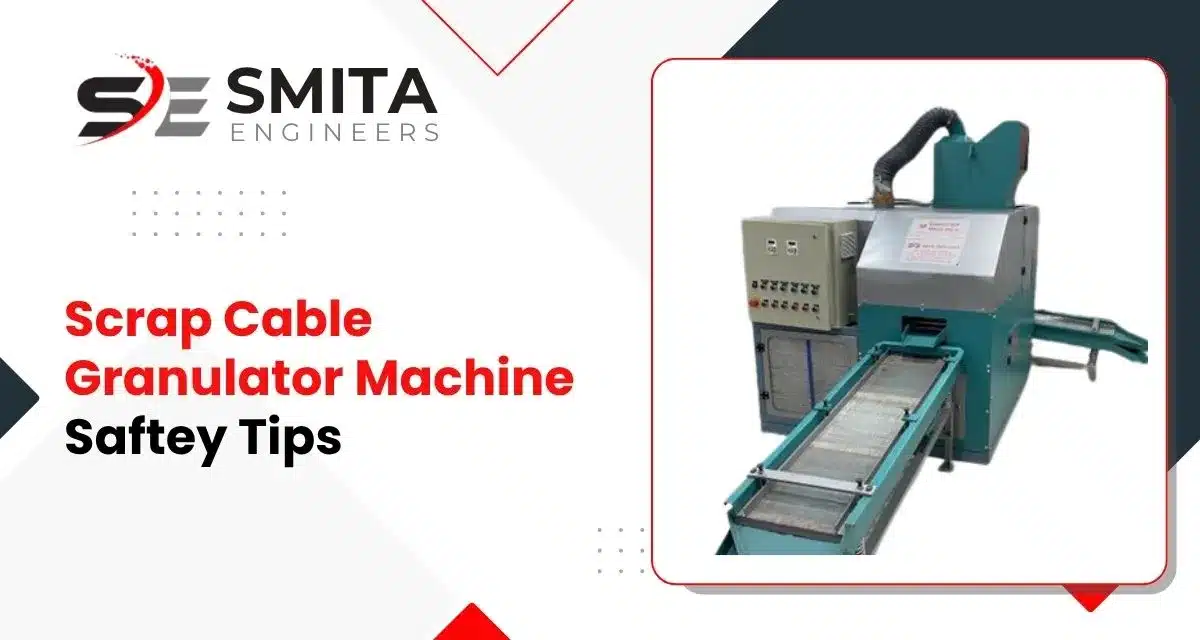
Industrial cable recycling involves powerful machinery, rotating blades, electrical components, and high-speed processing systems. While these machines significantly improve productivity and material recovery, they also require strict safety practices to ensure smooth and accident-free operations. A well-maintained scrap cable granulator machine not only delivers consistent copper and aluminium separation but also creates a safer working environment for operators.
Safety is more than wearing protective equipment—it includes proper machine installation, routine inspections, operator training, preventive maintenance, and following standard operating procedures. Whether used in recycling facilities, manufacturing units, or scrap processing businesses, adopting the right safety measures helps reduce downtime, prevent equipment damage, and extend the service life of the machine.
Why Safety Should Be a Priority?
Industrial recycling equipment processes various cable types using cutting blades, granulation systems, and air separation technology. These moving parts operate under high power and require careful handling during both operation and maintenance. Ignoring safety procedures can increase the risk of injuries, production interruptions, and costly repairs.
Establishing a workplace safety culture ensures that operators understand machine functions, recognize potential hazards, and respond correctly during emergencies. Investing time in safety training also improves operational efficiency and minimizes unexpected breakdowns.
Key reasons to prioritize safety include:
- Protecting operators from workplace injuries
- Reducing equipment downtime
- Preventing costly repairs
- Improving production efficiency
- Extending machine lifespan
- Ensuring compliance with workplace safety standards
- Maintaining consistent recycling performance
Following established safety practices allows a scrap cable granulator machine to perform efficiently while creating a secure and productive industrial environment.
Install the Machine Correctly
Proper installation forms the foundation of safe and reliable machine performance. Before commissioning industrial equipment, the installation area should be inspected to ensure it can support the machine’s weight and provide sufficient working space around all sides.
Electrical connections should be completed according to the manufacturer’s recommendations, while ventilation and lighting must be adequate for safe daily operations. A stable installation also reduces excessive vibration that may affect cutting accuracy and component life.
During installation, businesses should ensure:
- A level and reinforced floor
- Adequate operator clearance
- Proper electrical grounding
- Stable power supply
- Sufficient ventilation
- Easy access for maintenance
- Clearly marked emergency stop controls
Taking these precautions helps a scrap cable granulator machine operate safely from the first day while reducing the likelihood of installation-related issues.
Perform Daily Safety Inspections
Routine inspections help identify potential problems before they develop into serious operational failures. Even small issues such as loose fasteners, damaged cables, worn blades, or unusual vibrations can affect machine safety if left unattended.
Operators should complete a quick inspection before every shift to confirm that all systems are functioning normally. Recording inspection results also helps maintenance teams identify recurring issues and schedule repairs before they impact production.
Daily inspection should include:
- Checking electrical connections
- Inspecting safety guards
- Verifying emergency stop functions
- Looking for oil leaks
- Monitoring unusual noise or vibration
- Confirming blade condition
- Removing leftover material from previous operations
Regular inspections help maintain the safe operation of a scrap cable granulator machine while minimizing unexpected production interruptions.
Technical Specifications
| Model | Processing Capacity | Motor Power | Cable Size | Separation Purity | Approx. Price |
| SE07 Scrap Cable Granulator | 60–70 kg/hr | 17 HP | 0.1–30 mm | Up to 99% | ₹7,00,000 |
| SE13 Scrap Cable Granulator | 130–150 kg/hr | 33 HP | 0.1–30 mm | Up to 99% | ₹10,00,000 |
Specifications may vary depending on the application and operational requirements.
Use Appropriate Personal Protective Equipment
Personal protective equipment (PPE) is essential whenever industrial recycling machinery is in operation. Operators may be exposed to sharp cable ends, flying particles, dust, and machine noise during processing. Wearing the correct protective gear significantly reduces the risk of workplace injuries.
PPE should always be inspected before use and replaced if damaged. Employees should also receive proper training on when and how to use protective equipment correctly.
Recommended PPE includes:
- Safety glasses
- Cut-resistant gloves
- Hearing protection
- Steel-toe safety shoes
- Protective work clothing
- Dust masks where required
Providing suitable protective equipment helps operators work confidently while ensuring a scrap cable granulator machine can be used safely throughout daily production.
Prevent Unsafe Operating Practices
Many industrial accidents occur because operators bypass safety procedures to save time or increase production speed. Shortcuts such as removing machine guards, reaching into moving components, or overloading the equipment can create serious safety hazards and reduce machine reliability.
Safe operation requires strict adherence to operating instructions and continuous monitoring throughout the production cycle. Operators should stop the machine immediately if unusual sounds, excessive vibration, or performance issues are noticed.
Unsafe practices to avoid include:
- Operating without safety guards
- Overloading the machine
- Touching moving components
- Wearing loose clothing near rotating parts
- Ignoring warning indicators
- Attempting repairs while the machine is running
- Allowing untrained personnel to operate the equipment
Following correct operating procedures helps maintain the efficiency of a scrap cable granulator machine while protecting both operators and valuable industrial equipment.
Looking for a reliable scrap cable granulator machine? Contact Us today to find the right solution for your cable recycling requirements.
Keep the Work Area Clean and Organized
A clean workplace contributes significantly to machine safety and productivity. Dust accumulation, scattered cable pieces, and leftover scrap materials can create slip hazards, obstruct operator movement, and interfere with routine maintenance activities. Organized workspaces also make it easier to identify equipment issues during inspections.
Housekeeping should become part of the daily operating routine rather than an occasional task. Proper waste disposal, clear walkways, and designated storage areas help improve both safety and operational efficiency.
Maintaining a tidy work environment supports the reliable operation of a scrap cable granulator machine and reduces the likelihood of avoidable workplace accidents.
Train Operators on Safe Machine Handling
Even the most advanced industrial machinery depends on knowledgeable operators for safe and efficient performance. Proper training ensures that employees understand machine controls, startup and shutdown procedures, emergency response protocols, and routine inspection requirements. Well-trained operators are also better equipped to identify unusual machine behavior before it develops into a serious problem.
Training should be conducted regularly, especially when new employees join the team or when updated operating procedures are introduced. Refresher sessions help reinforce safe working habits and keep operators informed about the latest maintenance and safety practices.
Effective operator training should cover:
- Machine operating procedures
- Emergency shutdown methods
- Material feeding techniques
- Daily inspection routines
- Hazard identification
- Safe cleaning practices
- Basic troubleshooting guidelines
Providing continuous training helps ensure a scrap cable granulator machine is operated safely while improving productivity and reducing workplace risks.
Follow Safe Maintenance Procedures
Routine maintenance keeps industrial recycling equipment operating efficiently while reducing the risk of unexpected breakdowns. However, maintenance activities themselves can become hazardous if proper safety procedures are not followed. Before servicing any equipment, the machine should be completely shut down and isolated from its power source to prevent accidental startup.
Maintenance schedules should include inspections of cutting blades, motors, bearings, belts, electrical components, and air separation systems. Replacing worn parts before failure not only improves safety but also extends the machine’s operational life.
Safe maintenance practices include:
- Disconnecting the power supply before servicing
- Applying lockout and tagout procedures
- Inspecting blades for wear or damage
- Lubricating moving components as recommended
- Tightening loose fasteners
- Replacing damaged electrical cables
- Maintaining detailed service records
A preventive maintenance program helps a scrap cable granulator machine deliver reliable performance while supporting a safer industrial workplace.
Frequently Asked Questions
Why is safety important when operating a scrap cable granulator machine?
Safety helps protect operators from workplace injuries, minimizes equipment damage, reduces downtime, and ensures consistent recycling performance.
What personal protective equipment should operators wear?
Operators should wear safety glasses, cut-resistant gloves, hearing protection, steel-toe footwear, protective clothing, and dust masks where required.
How often should the machine be inspected?
A visual safety inspection should be carried out before every shift, while preventive maintenance should follow the manufacturer’s recommended service schedule.
What should operators do if the machine produces unusual noise or vibration?
The machine should be stopped immediately, inspected for potential issues, and restarted only after the problem has been identified and resolved.
Can untrained employees operate a scrap cable granulator machine?
No. Only trained personnel should operate the equipment to ensure safe handling, efficient performance, and compliance with workplace safety procedures.
Conclusion
Operating industrial recycling equipment safely requires a combination of proper installation, regular inspections, trained operators, preventive maintenance, and disciplined workplace practices. By following these safety guidelines, businesses can improve operational efficiency, protect employees, and reduce costly downtime. A scrap cable granulator machine that is used and maintained correctly delivers dependable performance, supports high-purity metal recovery, and contributes to a safer, more productive recycling operation.
Related Posts