Cable scrap contains valuable copper, but recovering it properly requires more than simply cutting the…
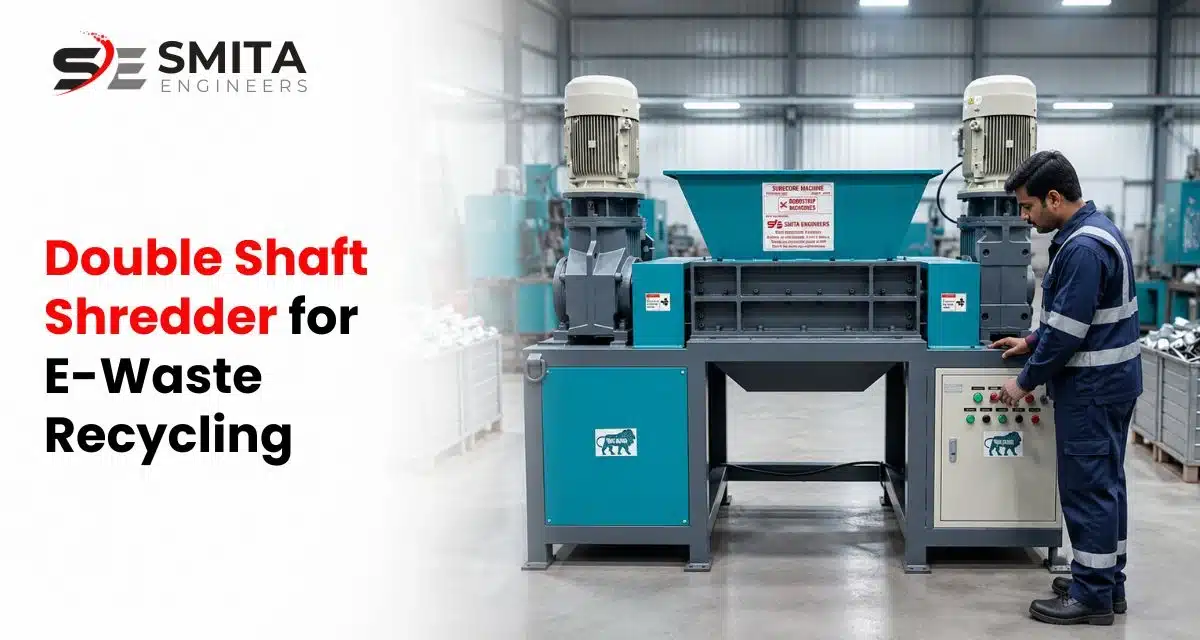
Electronic waste contains a mix of plastics, cables, metal components, and bulky electronic parts. Before these materials can be sorted and recovered, they often need to be reduced to a more manageable size. This is where a Double Shaft Shredder Machine can become an important part of an e-waste recycling process.
Designed with two rotating shafts, this type of E-Waste Shredder Machine uses shearing and tearing action to break down suitable electronic waste. The shredded material can then move to further sorting and recovery stages, making the overall recycling process more organized and efficient.
Why Is Shredding Important in E-Waste Recycling?
E-waste is difficult to handle because different products contain different materials and come in various shapes and sizes. Large plastic housings, tangled wires, and mixed components can occupy significant storage and processing space.
An E-Waste Recycling Machine used for size reduction helps create a more manageable material stream before downstream separation. This can make handling easier and support a smoother recycling workflow.
A suitable shredder can help with:
- Reducing bulky electronic components
- Improving material handling
- Preparing waste for sorting
- Supporting continuous recycling operations
- Reducing manual size-reduction work
The right Double Shaft Shredder Machine should always be selected according to the type, size, and volume of e-waste being processed.
How Does a Double Shaft Shredder Process E-Waste?
The process starts with feeding suitable material into the shredding chamber. Two shafts fitted with cutting components rotate to pull the material inward and apply shearing and tearing forces. As the material passes through the chamber, larger items are reduced into smaller pieces.
Shredding is generally a preparation stage rather than the final recycling step. Afterward, the processed material may be sent for additional sorting or separation to recover metals, plastics, and other recyclable fractions.
A typical E-Waste Shredding Machine workflow is:
Pre-sorting → Feeding → Shredding → Sorting → Material recovery
Pre-sorting is particularly important because some electronic components may require separate or specialized handling.
What Should You Consider Before Choosing a Shredder?
Not every e-waste stream has the same processing requirements. A machine suitable for plastic electronic housings may not necessarily be appropriate for every type of electronic component. Understanding the incoming material is therefore the first step in selecting an Industrial Shredder Machine.
Consider:
- Type and composition of e-waste
- Size of incoming material
- Required output size
- Processing volume
- Feeding requirements
- Blade design
- Maintenance needs
- Available operating space
These factors help businesses choose a Double Shaft Shredder Machine that fits their actual recycling application rather than selecting equipment based only on capacity or price.
Looking for a reliable shredder for e-waste processing? Contact Us to discuss your material, capacity, and recycling requirements.
What Happens After Shredding?
Shredding alone does not recover every valuable material from electronic waste. Instead, it prepares the material for subsequent processing. Depending on the recycling setup, shredded e-waste may undergo mechanical sorting, separation, or other recovery processes.
The objective is to create distinct material streams that can be processed further. Efficient size reduction can therefore support better material handling and make downstream operations more practical.
A well-planned E-Waste Recycling Machine system combines shredding with suitable sorting and recovery equipment to achieve the desired recycling outcome.
Frequently Asked Questions
What is a double shaft shredder used for in e-waste recycling?
It is used to reduce suitable electronic waste into smaller pieces before sorting and further material recovery.
Can all types of electronic waste be shredded?
No. Suitability depends on the material, size, composition, and machine design. Certain components may require specialized handling.
What happens to e-waste after shredding?
The shredded material can be sent for further sorting and separation to recover metals, plastics, and other recyclable materials.
How do I select an e-waste shredder?
Consider the material type, input size, processing volume, required output, blade configuration, safety requirements, and maintenance needs.
What should businesses consider when choosing an e-waste shredder?
Businesses should consider the type of e-waste, input size, required output size, processing volume, blade configuration, maintenance needs, and available space.
Conclusion
Efficient e-waste recycling begins with proper material preparation. A Double Shaft Shredder Machine can help reduce suitable electronic waste into a manageable form, making subsequent sorting and recovery easier. However, successful recycling depends on choosing equipment according to the specific waste stream and integrating shredding with appropriate downstream processes. For businesses handling electronic waste, the right E-Waste Shredder Machine can support smoother material handling and a more efficient recycling workflow.
Related Posts