Cable scrap contains valuable copper, but recovering it properly requires more than simply cutting the…
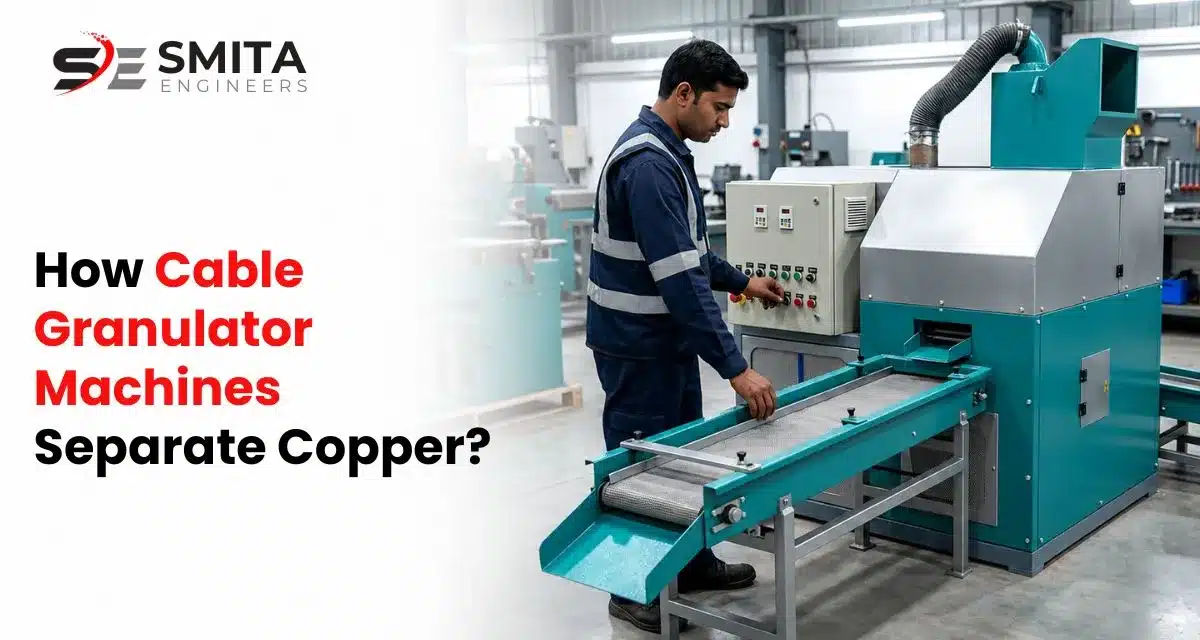
Cable recycling requires an efficient process to separate valuable metals from insulation materials. A scrap cable granulator machine is designed to process insulated cables by cutting them into smaller particles and separating copper or aluminium from plastic insulation. This automated process helps recycling businesses reduce manual work, improve material recovery, and achieve cleaner output.
The separation process involves several stages, including material feeding, size reduction, granulation, and density-based separation. Understanding how each stage works helps businesses operate recycling equipment more effectively and maintain consistent output quality.
Material Feeding and Initial Processing
The process begins when insulated cables are fed into the machine. Before processing, the input material should be checked to ensure it falls within the recommended processing range and does not contain unsuitable materials that may affect machine operation.
A consistent feed helps maintain stable processing and prevents unnecessary strain on internal components.
Important feeding practices include:
- Checking cable size
- Removing unsuitable materials
- Maintaining a consistent feed
- Avoiding overloading
- Monitoring machine operation
- Following recommended processing limits
Proper material preparation allows a scrap cable granulator machine to process cables smoothly and prepare them for the next stage.
Cable Cutting and Granulation
After entering the processing chamber, cables are reduced into smaller pieces through the cutting action of rotating blades. This stage breaks down both the metal conductor and insulation into granulated material suitable for separation.
Uniform particle size is important because it improves the effectiveness of the separation process. Blade condition and proper machine operation also influence the consistency of the granulated output.
The granulation process involves:
- Cutting insulated cables
- Reducing material size
- Creating uniform particles
- Preparing material for separation
- Maintaining consistent processing
Efficient size reduction enables a scrap cable granulator machine to prepare mixed cable material for accurate copper and insulation separation.
Density-Based Material Separation
Once the cable material has been granulated, the mixture contains metal particles and lighter insulation particles. The separation system works by utilizing differences in material characteristics to separate these components into different output streams.
Copper and aluminium particles have different physical properties compared to plastic insulation, allowing the machine’s separation system to divide the processed material efficiently. Proper separation improves the cleanliness of the recovered material and reduces the need for additional manual sorting.
Key benefits of this stage include:
- Cleaner metal recovery
- Reduced insulation contamination
- Improved material sorting
- Consistent output quality
- Less manual handling
At this stage, a scrap cable granulator machine separates valuable metal from insulation and supports efficient recycling operations.
Looking for efficient copper recovery? Contact Us today to explore reliable cable recycling solutions for your processing needs.
Air Separation and Material Collection
Airflow plays an important role in separating lighter insulation particles from heavier metal granules. The separation system directs materials through controlled airflow, allowing lighter fractions to move separately from the recovered metal.
After separation, the different materials are collected through designated output areas. Copper or aluminium can be prepared for further recycling, while separated insulation can be handled according to the facility’s recycling process.
This stage supports:
- Efficient material separation
- Organized output collection
- Reduced manual sorting
- Improved workflow
- Cleaner recovered materials
Controlled airflow allows a scrap cable granulator machine to improve separation efficiency while supporting consistent material recovery.
Factors That Affect Separation Quality
Several factors can influence the quality of copper separation. Machine performance depends on proper feeding, blade condition, material size, maintenance, and operating practices. Regular monitoring helps identify issues that could affect output quality.
Businesses should pay attention to:
- Cable size and composition
- Feed consistency
- Blade condition
- Granule size
- Separation system cleanliness
- Routine maintenance
- Proper machine settings
Maintaining these factors helps a scrap cable granulator machine deliver consistent separation results and reliable recycling performance.
Why Efficient Copper Separation Matters?
Effective separation directly affects the value and usability of recovered materials. Cleaner copper output reduces the need for additional sorting and supports more efficient downstream recycling processes. Consistent separation also helps businesses manage materials more effectively and reduce unnecessary waste.
Selecting suitable equipment based on processing requirements is important for achieving dependable results. Capacity, processing range, blade configuration, and maintenance needs should all be considered before investing in recycling machinery.
By using the right equipment and following proper operating practices, a scrap cable granulator machine can support efficient cable recycling, cleaner material recovery, and improved long-term productivity.
Frequently Asked Questions
How is copper separated from cable insulation?
Cables are first reduced into smaller particles, after which the separation system divides heavier metal particles from lighter insulation materials.
Why is uniform granulation important for separation?
Consistent particle size helps the separation system process materials more effectively and improves the cleanliness of the recovered copper or aluminium.
What affects the quality of recovered copper?
Factors such as feed consistency, blade condition, granule size, material composition, machine cleanliness, and maintenance practices can influence separation quality.
Can cable granulators recover aluminium as well as copper?
The SE07 and SE13 models are specified to produce copper and aluminium output with up to 99% purity.
Why is regular maintenance important for cable granulators?
Regular maintenance helps keep cutting and separation components operating correctly, reducing downtime and supporting consistent processing performance.
Conclusion
Understanding the separation process helps businesses make better decisions when selecting cable recycling equipment. From material feeding and granulation to density-based separation and final collection, every stage contributes to output quality and operational efficiency. A properly operated scrap cable granulator machine helps recover valuable copper and aluminium while reducing manual sorting and supporting organized recycling operations.
Related Posts